High Performance Training

What is High Performance Aircraft Training?

High performance aircraft represent a significant step up in capability and complexity from the trainers most pilots learn in. According to 14 CFR 61.31(f), a high performance airplane is defined as an airplane with an engine of more than 200 horsepower. To act as pilot in command of a high performance aircraft, you must receive ground and flight training from an authorized instructor and receive a one-time endorsement.
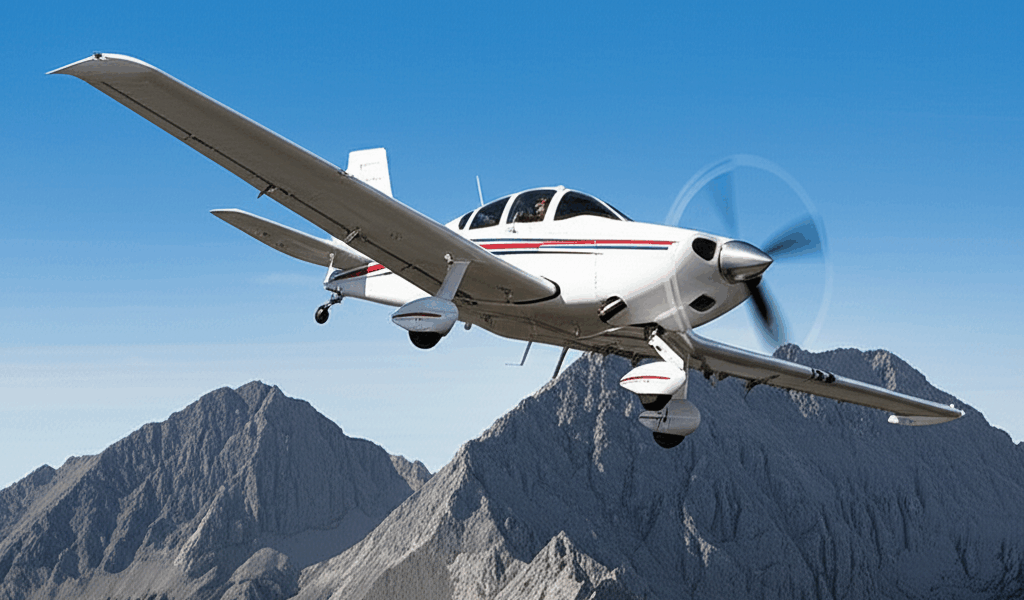
This additional training requirement exists because high performance aircraft have flight characteristics and performance capabilities that differ significantly from typical training aircraft. The increased power, higher speeds, and enhanced performance require pilots to develop new skills and awareness.

Regulatory Requirements for the Endorsement

Ground Training Requirements

Before receiving your high performance endorsement, an instructor must provide ground training that covers:

  • Engine operation, including propeller and fuel system knowledge specific to high performance engines
  • Use of manifold pressure gauge and engine performance charts
  • Fuel management for high-output engines
  • Limitations and emergency procedures specific to high performance aircraft
  • Aerodynamic effects of increased power and speed

Flight Training Requirements

The flight training must include safe operating practices and procedures for high performance aircraft. While no minimum hours are specified by regulation, training typically covers:

  • Engine operation throughout all power ranges
  • Normal and crosswind takeoffs and landings
  • Maximum performance takeoffs and landings
  • Recovery from unusual flight situations
  • Emergency procedures unique to the aircraft type

Key Differences in High Performance Aircraft

Engine Power and Management

High performance engines produce substantially more power than typical training aircraft. This increased power affects every phase of flight:

  • Takeoff: Significantly more left-turning tendency requiring greater right rudder input
  • Climb: Higher climb rates but also greater potential for engine overheating
  • Cruise: Higher true airspeeds and different power management considerations
  • Descent: Risk of shock cooling engines if power is reduced too quickly

Constant Speed Propeller Operations

Many high performance aircraft feature constant speed propellers, which require understanding of:

  • Propeller governor operation: How the governor maintains selected RPM
  • Power setting sequence: Proper order for adjusting throttle and propeller controls
  • Manifold pressure/RPM combinations: Understanding permissible operating ranges
  • Over-speed and under-speed conditions: Recognition and correction procedures

Increased Performance Characteristics

High performance aircraft typically offer:

  • Faster cruise speeds requiring greater planning ahead
  • Higher service ceilings and climb performance
  • Greater fuel consumption requiring careful fuel management
  • Enhanced crosswind capabilities but also higher approach speeds

Common High Performance Training Aircraft

Popular Models for Endorsement Training

Typical aircraft used for high performance training include:

  • Cessna 182 Skylane: With its 230 HP Continental engine, this is one of the most popular aircraft for initial high performance training
  • Piper Cherokee Six: Available with engines up to 300 HP
  • Beechcraft Bonanza: Various models with 225-300 HP engines
  • Cirrus SR22: 310 HP Continental engine with modern avionics

Practical Training Considerations

Preflight Differences

High performance aircraft preflights require additional attention to:

  • Propeller inspection for nicks and damage
  • Oil quantity and condition (higher consumption rates)
  • Cowl flaps and cooling system components
  • Turbocharger components if equipped

In-Flight Techniques

Successful operation requires mastering:

  • Proper leaning procedures for altitude and power setting
  • Cylinder head temperature and exhaust gas temperature monitoring
  • Cowl flap management for temperature control
  • Cruise climb techniques for engine cooling

Building on Your High Performance Foundation

The high performance endorsement opens doors to a wider range of aircraft and capabilities. Many pilots pursue this endorsement as a stepping stone to complex aircraft training, multi-engine ratings, or advanced single-engine aircraft ownership. The skills and knowledge gained transfer directly to more advanced training and contribute to overall pilot proficiency.

Consider the high performance endorsement not as a standalone achievement but as part of your continuing pilot development. The disciplined approach to engine management, performance planning, and systems knowledge will serve you well throughout your flying career.

Emily Carter

Emily Carter

Author & Expert

Jason Michael, an ATP-rated pilot who flies the C-17 for the U.S. Air Force, is the editor of Skyhighflighttraining. Articles on the site are researched, fact-checked, and reviewed before publication. Read our editorial standards or send a correction at the editorial policy page.

271 Articles
View All Posts

Stay in the loop

Get the latest skyhighflighttraining updates delivered to your inbox.