Complex Aircraft Training

Understanding Complex Aircraft

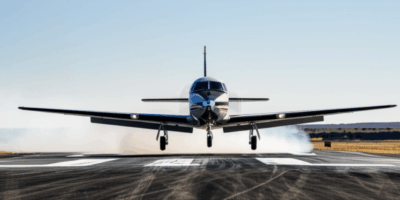
Complex aircraft represent a significant advancement in aircraft capability and pilot workload. According to 14 CFR 61.1, a complex airplane is one that has retractable landing gear, flaps, and a controllable pitch propeller (including FADEC-equipped aircraft with full authority digital engine controls). Training in complex aircraft is not only valuable for pilot development but is also required for the commercial pilot certificate.

The additional systems found in complex aircraft require pilots to develop enhanced situational awareness and procedural discipline. Learning to manage these systems while maintaining safe flight operations is a foundational skill for advancing in aviation.

Commercial Certificate Requirements

The 10-Hour Complex Time Requirement

FAR 61.129 requires commercial pilot applicants to complete at least 10 hours of training in a complex airplane (or turbine-powered airplane for the ASEL rating). This training develops the skills necessary to safely operate aircraft with higher performance and more sophisticated systems.

The 10 hours must include:

  • Normal and abnormal operations of all aircraft systems
  • Extended cross-country flight operations
  • Night flying in the complex aircraft
  • Emergency procedures specific to complex aircraft systems

Retractable Landing Gear Operations

Understanding Gear Systems

Retractable landing gear significantly reduces drag and increases cruise performance, but adds complexity and potential failure modes. Complex aircraft typically use one of these gear actuation systems:

  • Electric: Motor-driven gear with circuit breakers and backup manual extension
  • Hydraulic: Fluid-powered system with hand pump emergency extension
  • Electric-over-hydraulic: Combined systems with multiple backup options

The GUMP Check

The GUMP check is a fundamental memory aid for complex aircraft operations, performed before each landing:

  • G – Gas: Fuel selector on proper tank, quantity sufficient
  • U – Undercarriage: Gear down, three green lights confirmed
  • M – Mixture: Rich for go-around capability
  • P – Propeller: Forward for high RPM if go-around needed

Preventing Gear-Up Landings

Gear-up landings remain a persistent problem in general aviation. Prevent them through:

  • Multiple gear checks during the approach (pattern entry, base, final)
  • Verbalizing gear position during checks
  • Using written checklists, not memory alone
  • Being extra vigilant during go-arounds and practice approaches
  • Understanding your aircraft gear warning systems

Constant Speed Propeller Management

How Constant Speed Props Work

The constant speed propeller uses a governor to automatically adjust blade angle to maintain the selected RPM regardless of airspeed or power changes. This provides optimal performance throughout all flight regimes:

  • Low pitch (flat): High RPM, used for takeoff and climb
  • High pitch (steep): Low RPM, used for cruise efficiency

Power Management Sequence

Proper sequencing of throttle and propeller controls prevents over-stressing the engine:

  • Increasing power: Propeller forward (increase RPM) first, then advance throttle
  • Decreasing power: Throttle back first, then propeller back (decrease RPM)

Remember: When increasing power, lead with the propeller. When decreasing power, lead with the throttle. This prevents excessive manifold pressure for the given RPM.

Flap Operations in Complex Aircraft

Performance Considerations

Complex aircraft flaps often provide more options and affect performance differently than trainers:

  • Multiple flap settings for various configurations (approach, landing)
  • Speed limitations for each flap setting (Vfe for full flaps, intermediate speeds for partial flaps)
  • Effect on stall speed and approach speed calculations
  • Go-around procedures with flaps deployed

Emergency Procedures

Gear Malfunctions

Complex aircraft pilots must be prepared for gear system failures:

  • Asymmetric gear: One gear fails to extend while others deploy
  • Complete gear failure: All gear fail to extend
  • Gear indicator malfunction: Gear may be down but lights dont indicate

Emergency extension procedures vary by aircraft and must be thoroughly understood and practiced. Most aircraft provide manual or alternate extension methods.

Propeller Emergencies

Propeller system failures require immediate response:

  • Loss of oil pressure: Propeller may go to low pitch (high RPM)
  • Governor failure: May result in loss of RPM control
  • Runaway propeller: Uncontrolled RPM increase requiring immediate action

Training Progression

Complex aircraft training typically follows this progression:

  • Extensive ground instruction on systems and procedures
  • Pattern work focusing on gear and configuration management
  • Cross-country flights incorporating all normal procedures
  • Emergency procedure training including simulated gear failures
  • Night operations in the complex aircraft

This training builds the foundation for advanced certificates and prepares pilots for the increased responsibility of operating sophisticated aircraft. The procedural discipline developed during complex training serves pilots well throughout their aviation careers.

Emily Carter

Emily Carter

Author & Expert

Jason Michael, an ATP-rated pilot who flies the C-17 for the U.S. Air Force, is the editor of Skyhighflighttraining. Articles on the site are researched, fact-checked, and reviewed before publication. Read our editorial standards or send a correction at the editorial policy page.

271 Articles
View All Posts

Stay in the loop

Get the latest skyhighflighttraining updates delivered to your inbox.