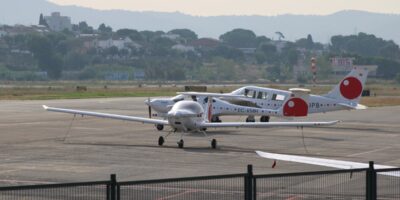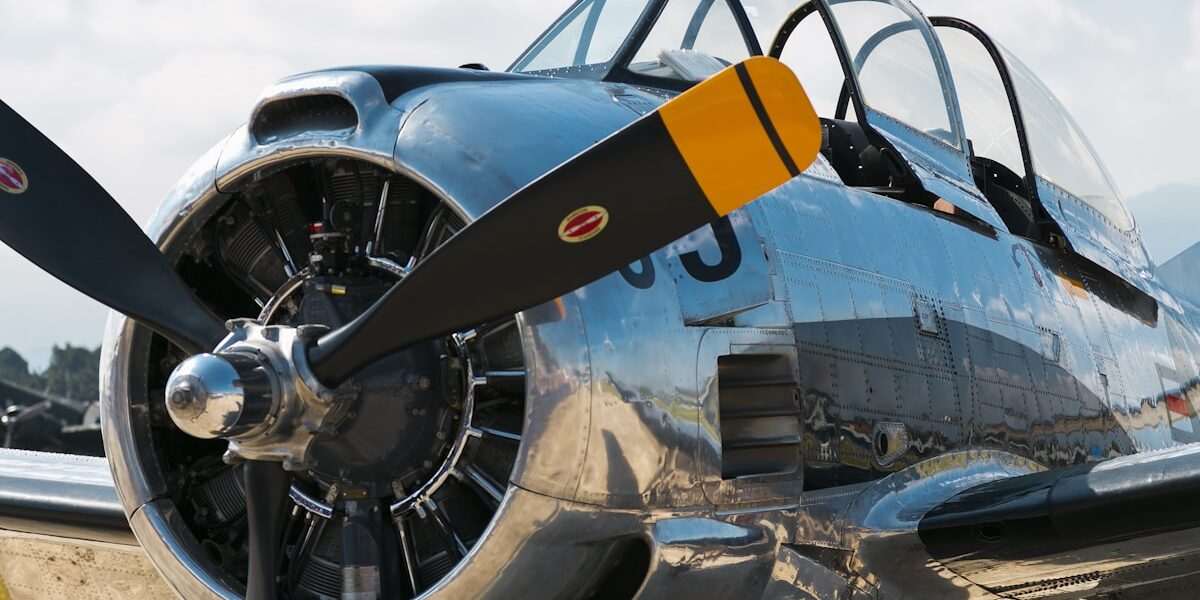
The tailwheel endorsement opens access to classic aircraft, backcountry strips, and a style of flying that builds skills transferrable to all your aviation. While tailwheel aircraft demand more attention than their nosewheel counterparts, the techniques you develop make you a more precise, aware pilot in any aircraft.
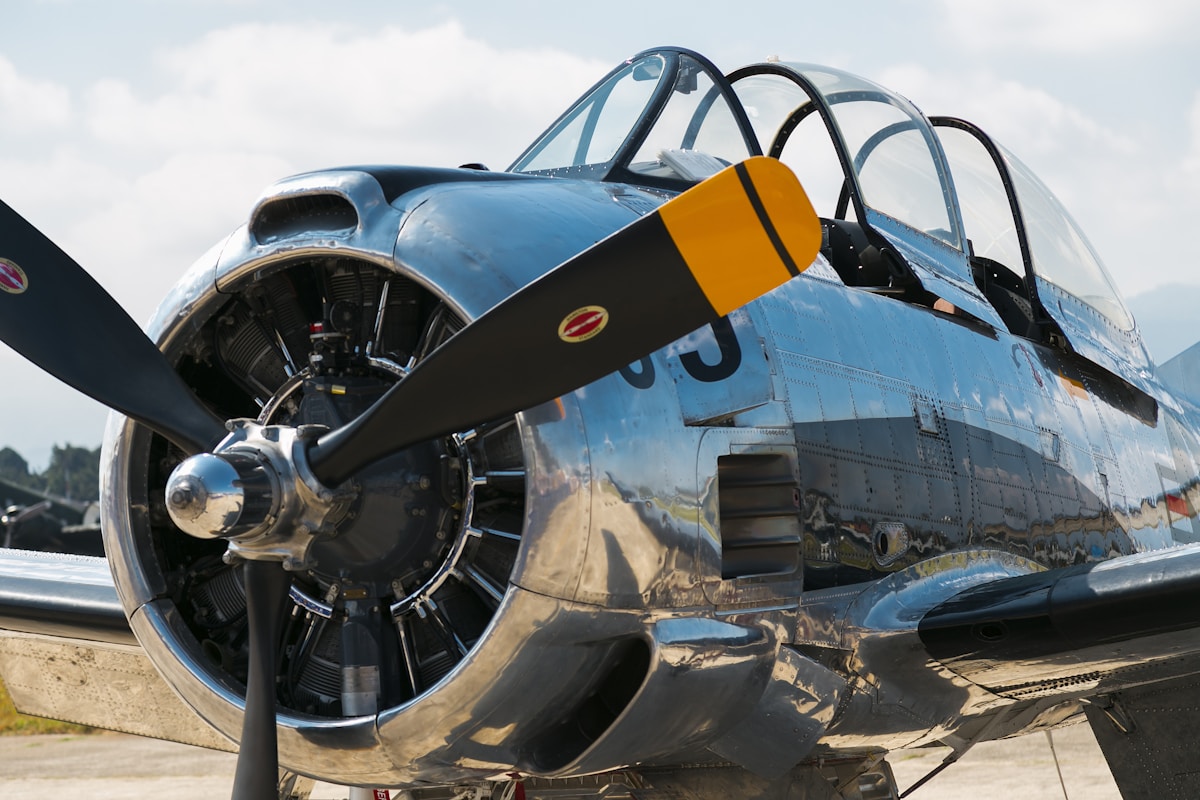
What Makes Tailwheel Different
In a tailwheel aircraft, the center of gravity sits behind the main wheels rather than in front of them. This seemingly small difference creates fundamentally different ground handling characteristics. In a nosewheel aircraft, the CG position naturally straightens the aircraft if it starts to turn. In a tailwheel aircraft, the CG behind the wheels amplifies any deviation—a small turn becomes a bigger turn unless corrected.
This tendency to diverge from straight tracking is called ground loop susceptibility. A ground loop is an uncontrolled turn on the ground that can damage the aircraft, injure the pilot, and ruin your day. Preventing ground loops requires active attention from first movement to final shutdown.
Taxiing
Tailwheel taxiing requires constant attention. You can’t just set power and let the aircraft roll—you must actively steer using rudder and differential braking while managing the throttle for speed control.
Keep taxi speed slow enough to respond to directional changes. If you’re going too fast when a swerve starts, you won’t have time to correct before it develops into a ground loop. Think walking speed, not jogging speed.
Wind affects tailwheel aircraft more on the ground. Stick position matters during taxi: into the wind with a headwind component, away from the wind with a tailwind component, just as with nosewheel aircraft but more critical.
Takeoff
Tailwheel takeoffs start with full aft stick to keep the tailwheel firmly planted during initial acceleration. As speed builds, the rudder becomes effective and you can relax back pressure, allowing the tail to rise and the aircraft to accelerate in a level or slightly tail-low attitude.
The moment the tail rises is critical—propeller effects are strongest, rudder control is transitioning from tailwheel to aerodynamic, and directional control requires active attention. If the tail rises too abruptly or the aircraft swerves, reduce power and correct before continuing.
Landing
Tailwheel landings come in two basic types: three-point and wheel landings.
Three-Point Landings
In a three-point landing, you touch down on all three wheels simultaneously. The aircraft is in a full-stall attitude, at minimum touchdown speed. This is the preferred technique for most situations—slow touchdown speed means less energy to manage during the rollout.
The challenge is achieving that perfect three-point attitude. Too much flare leads to a bounce; too little results in a wheelbarrow (main wheels first with tail high) that can lead to a ground loop.
Wheel Landings
Wheel landings touch the main wheels first with the tail high, at higher speed than three-point landings. This technique provides more control in crosswinds and gusty conditions because the aircraft remains in a flying attitude longer.
The challenge is keeping the tail from dropping too soon. Forward stick pressure after touchdown keeps the tail flying until speed bleeds off. Attempting a wheel landing with insufficient speed leads to premature stall and a hard landing.
Crosswind Operations
Crosswinds challenge tailwheel pilots more than nosewheel pilots. The weathervaning tendency is stronger, and the consequences of not maintaining alignment are more severe. Use the same wing-low technique as in nosewheel aircraft, but be prepared for more control input and more attention during rollout.
During rollout, the crosswind tries to weathervane the aircraft into the wind. Active rudder and potentially differential braking maintain alignment. Never relax until the aircraft is stopped and secured.
Training Requirements
The tailwheel endorsement requires training from an authorized instructor in a tailwheel aircraft. There’s no written test and no practical test—your instructor determines when you’ve demonstrated proficiency in normal and crosswind takeoffs and landings, and makes a logbook endorsement authorizing you to act as PIC in tailwheel aircraft.
Typical training takes 5-15 hours depending on previous experience, natural aptitude, and the specific aircraft used. Some aircraft are more challenging than others—a Citabria is generally easier to learn in than a Pitts Special.
Currency and Proficiency
Tailwheel skills erode faster than nosewheel skills. If you go months without flying tailwheel, get dual instruction before attempting solo operations. Many pilots maintain tailwheel proficiency by flying tailwheel aircraft regularly rather than occasionally.
The legal currency requirement for carrying passengers is three takeoffs and landings in category and class—which means tailwheel landings in tailwheel aircraft, not nosewheel landings in nosewheel aircraft of the same category and class.
The Rewards
Tailwheel flying connects you to aviation’s history. Classic aircraft like Cubs, Champs, and Citabrias offer pure stick-and-rudder flying without electronic complexity. Backcountry strips inaccessible to typical nosewheel aircraft become options. And the skills you develop—precise coordination, active attention, immediate response to deviations—make you a better pilot in every aircraft you fly.
The tailwheel endorsement is an investment in your flying ability. The techniques you learn and the awareness you develop will serve you throughout your aviation career.