
The 1,500-hour ATP requirement defines the airline pilot pathway. Understanding what those hours mean, how to build them efficiently, and what airlines actually evaluate helps aspiring airline pilots plan their career trajectory.
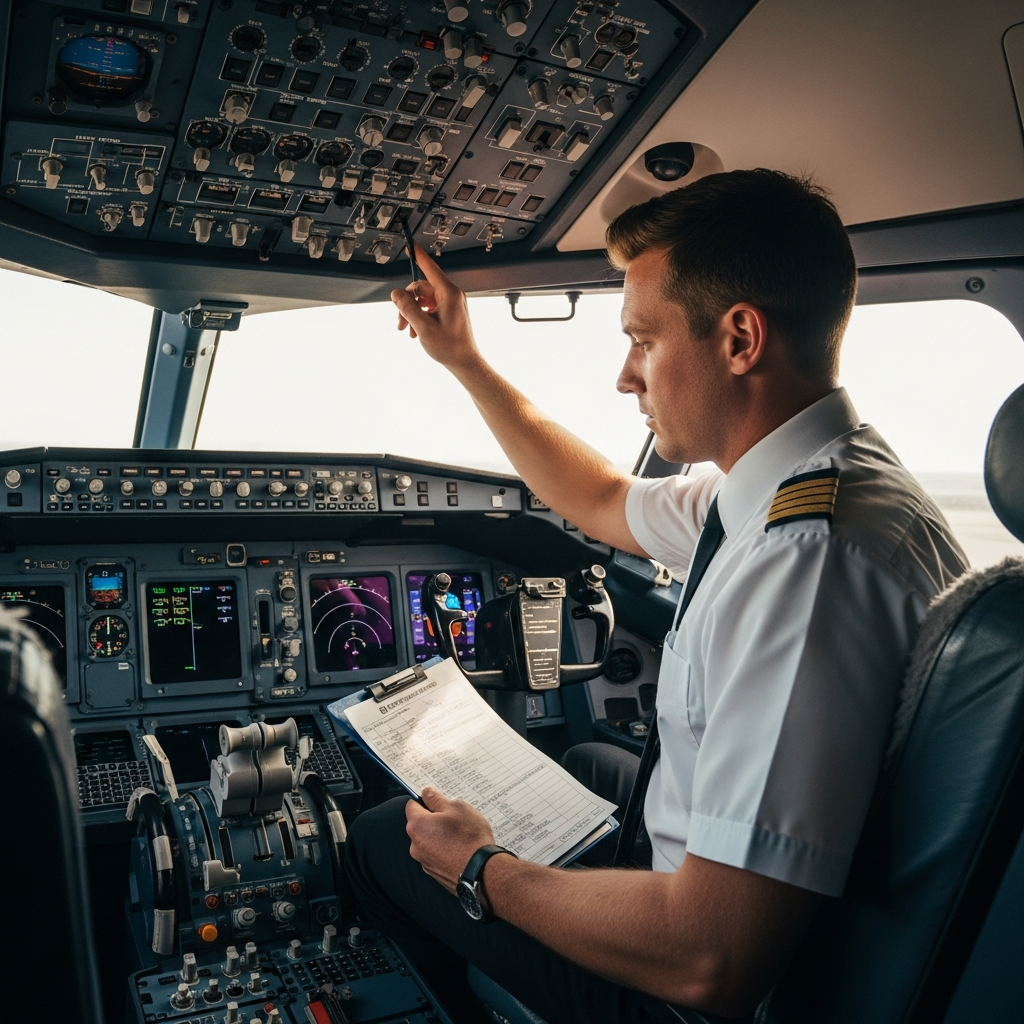
The 1,500-Hour Requirement
The ATP certificate requires 1,500 hours total flight time for most applicants. This requirement, established by the Airline Safety and Federal Aviation Administration Extension Act of 2010, responded to concerns about pilot experience levels at regional airlines.
Reduced Minimums
Certain backgrounds qualify for reduced hours:
- Military pilots: 750 hours
- Graduates of aviation degree programs from approved institutions: 1,000 hours (bachelor’s) or 1,250 hours (associate’s)
The R-ATP (restricted ATP) allows these pilots to serve as first officers at airlines with the reduced hours, though full ATP still requires 1,500 hours.
What Airlines Actually Want
Hours matter, but not all hours are equal. Airlines evaluate experience quality as much as quantity.
Multi-Engine Time
Airlines fly multi-engine aircraft. Multi-engine time demonstrates experience managing the complexities of twin operations. Some airlines specify minimum multi-engine hours in hiring requirements.
Turbine Time
Jet engines differ from pistons. Pilots with turbine time (in turboprops or jets) transition more easily to airline equipment. Turbine time is highly valued, though not always required.
IFR Experience
Airline flying is instrument flying. Extensive actual instrument time and complex IFR operations experience translates directly to airline operations.
PIC Time
Pilot-in-command time demonstrates decision-making experience. Many airlines specify PIC minimums. SIC (second-in-command) time is valuable but less so than PIC.
Recent Experience
Airlines want pilots who are current and sharp. A pilot with 2,000 hours who hasn’t flown in six months is less attractive than one with 1,600 hours who flew yesterday.
The Typical Path
Most airline pilots follow a recognizable progression:
Phase 1: Training (0-250 hours)
Obtain private, instrument, commercial, and multi-engine ratings. Complete CFI certification if planning to instruct. This phase costs money—you’re paying for training, not earning.
Phase 2: Hour Building (250-1,500 hours)
Work as a CFI, banner tower, cargo pilot, or other entry-level flying job. Build hours while earning modest income. This phase typically takes 1-3 years depending on flying frequency.
Phase 3: Regional Airlines (1,500-3,000+ hours)
Enter the airline industry as a first officer at a regional carrier. Build jet time and airline experience. Typical tenure at regionals is 2-5 years depending on industry conditions.
Phase 4: Major Airlines (3,000+ hours)
Upgrade to captain at a regional or transition to first officer at a major carrier. Career progression continues toward captain upgrade at majors for those seeking maximum earning potential.
Timeline Reality
How long does the path take? Timelines vary dramatically based on training pace, hour-building opportunities, and industry conditions.
Fastest Path
Intensive academy programs claim to produce airline-ready pilots in 2-3 years. These accelerated paths require full-time commitment, significant financial resources, and optimal conditions throughout.
Typical Path
Most pilots take 3-5 years from zero experience to regional airline employment. Training takes 1-2 years. Hour building takes 1-3 years. Industry timing affects when opportunities materialize.
Part-Time Path
Pilots training while working other careers may take 5-10 years to reach airline eligibility. The slower pace affects skill development and may require additional training to restore proficiency.
Financial Considerations
The airline pilot path requires significant upfront investment before meaningful income arrives.
Training Costs
Obtaining all certificates and ratings through ATP eligibility costs $60,000-100,000+ depending on training approach. Flight academies at the high end; self-directed training at local flight schools at the lower end.
Hour-Building Income
Entry-level flying jobs pay poorly. CFI salaries often range $25,000-40,000. Other hour-building jobs may pay better or worse. Financial sacrifice during this phase is typical.
Regional Airline Pay
First-year first officer pay at regional airlines ranges $50,000-80,000 depending on the carrier and current market conditions. Pay increases with seniority. Captain upgrade significantly increases compensation.
Major Airline Pay
Senior captains at major airlines can earn $300,000+ annually. However, reaching that level takes 15-20+ years of seniority accumulation. Entry-level major airline pay starts around $100,000.
Application and Interview Preparation
When hours approach minimums, preparation for airline applications becomes important.
Online Presence
Airlines research candidates online. Clean up social media. Maintain professional presence. Negative online content can disqualify otherwise-qualified candidates.
Written Applications
Complete applications accurately and thoroughly. Gaps or inconsistencies raise questions. Have others review applications before submission.
Interview Preparation
Airline interviews include technical knowledge questions, scenario-based evaluation, and personality assessment. Preparation services exist specifically for airline interviews. Study CRM concepts, airline operations, and common interview questions.
Networking
Internal referrals improve application visibility. Connect with current airline pilots. Attend aviation career events. Professional relationships open doors that cold applications don’t.
Industry Realities
The airline industry is cyclical. Hiring booms create opportunities; downturns cause furloughs. Pilots must accept this reality.
Seniority Is Everything
Airline pay, schedule, and equipment bids depend entirely on seniority. The most senior captain has first choice; the most junior first officer gets what’s left. Building seniority takes years.
Domicile Assignments
Where you’re based depends on seniority. Junior pilots may commute or relocate to undesirable locations. Senior pilots choose preferred bases.
Quality of Life
Junior airline pilots work holidays, weekends, and red-eye flights. Senior pilots have better schedules. Understanding this progression helps set realistic expectations for early career years.
Is It Worth It?
The airline pilot career offers good compensation, job security (eventually), travel benefits, and the satisfaction of professional flying. It also requires significant sacrifice, delayed gratification, and acceptance of industry volatility.
Those who love flying and can weather the early years often find long and rewarding careers. Those seeking quick wealth or stable lifestyle from day one may find the path disappointing. Evaluate honestly before committing years and significant money to the pursuit.


Stay in the loop
Get the latest skyhighflighttraining updates delivered to your inbox.