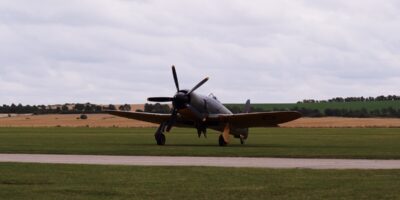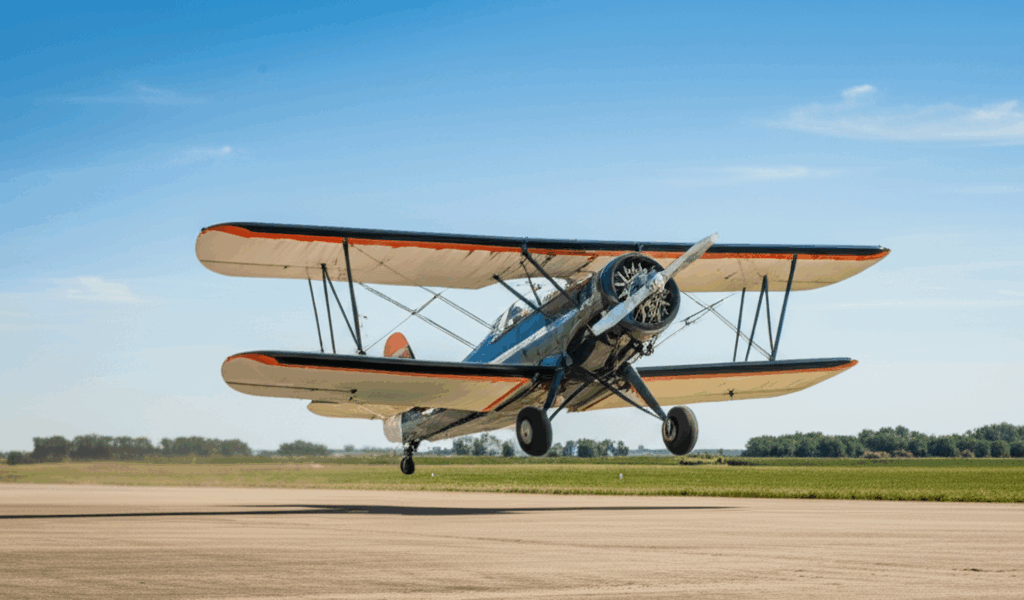
As someone who thought I knew how to fly before stepping into a taildragger, I learned everything about humility in a 1946 Aeronca Champ. Probably should have led with this: tailwheel endorsement complete after three days of the most humbling, rewarding, old-school flying I have ever experienced.
Finished my tailwheel endorsement today. Nothing teaches you about adverse yaw, P-factor, and coordinated flight quite like an airplane that will bite you if you get sloppy.
The Learning Curve
Day one was brutal. I consider myself a competent pilot with over 500 hours, but that Champ had other ideas. The first landing felt like I was wrestling a shopping cart down the runway. Ground loops were suddenly a real concern rather than something I had only read about in accident reports.
The instructor was patient, letting me make mistakes while keeping things safe. “Feel the airplane,” he kept saying. “Do not look at instruments, feel what it wants to do.” That has gotten complicated with all my nosewheel habits working against me. Easier said than done when your brain is screaming about the wrong sight picture through the windscreen.
The Breakthrough
Day two, something clicked. Started anticipating the yaw instead of reacting to it. The dance of rudder and aileron during the rollout became almost intuitive. Still not pretty, but controlled.
By day three, I was making wheel landings. That moment when the mains touch and you hold the tail up, rolling on two wheels at 60 mph – there is nothing like it in a nosewheel airplane. That is what makes tailwheel flying so special.
The Real Value
My logbook now has that magic signature. But more importantly, I am a better pilot than I was three days ago. Every tricycle-gear pilot should try tailwheel training at least once. It reveals gaps in technique that you did not know existed.
Already thinking about the next step: aerobatic training.