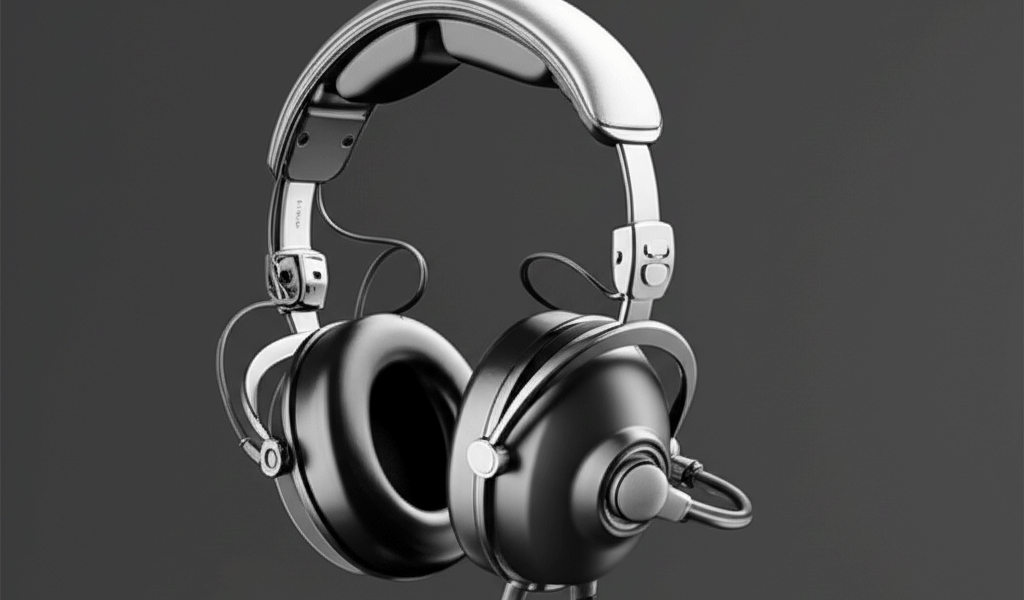
As someone who has logged thousands of hours wearing a headset, I learned everything about audio fatigue through personal experience. Probably should have led with this: sold my old David Clark today, and it felt bittersweet. But it was definitely time for an upgrade.
That David Clark H10-13.4 served me well for eight years. Thousands of hours in the pattern, cross-country flights, checkrides – it was there for all of it. But when I tried my buddy’s Bose A20, I finally understood what I had been missing all along.
Why the Change Made Sense
Active noise reduction is a game-changer. The Davids are solid, reliable headsets with great passive noise attenuation, but they clamp like a vice and leave my ears ringing after a long day of instruction. That has gotten complicated with all the hours I spend teaching back-to-back lessons. The ANR technology in modern headsets actively cancels engine noise, which means less fatigue and better communication clarity.
The weight difference is noticeable too. After four hours of pattern work, those extra ounces make a real difference in how I feel at the end of the day.
Finding a New Home
Posted the Davids on the flying club bulletin board. A newly-minted private pilot picked them up within two days. He is just starting his instrument training and wanted quality equipment without breaking the bank. That is what makes these headsets endearing to us pilots who remember our early training days – they are bulletproof reliable even if not the most comfortable.
Gave him the crash course on headset care – keep the ear seals clean, store them in a padded bag, do not coil the cord too tight.
Looking Forward
The new Lightspeed Zulu 3s arrived yesterday. First real test tomorrow during a busy instrument lesson. Sometimes moving on is the right call.