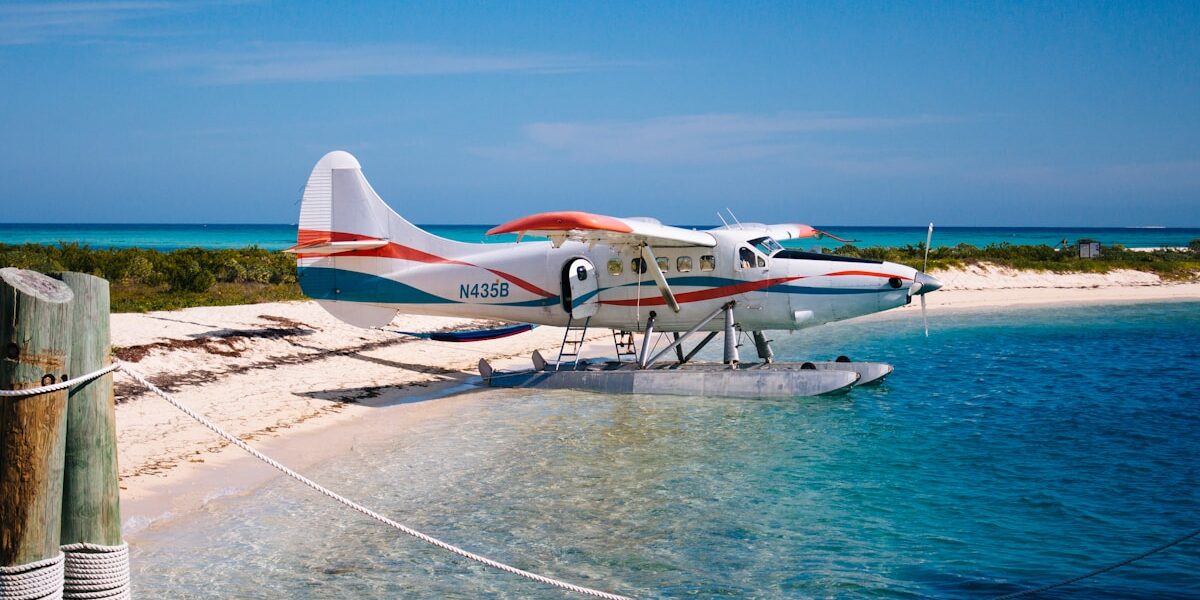
The seaplane rating—officially the single-engine sea (SES) class rating—opens aviation’s most adventurous frontier. Landing on pristine lakes, accessing remote fishing spots, and experiencing the unique dynamics of water operations create flying experiences unavailable to land-only pilots. And with focused training, you can earn this rating in as few as 10 flight hours.
Rating Requirements
Adding a seaplane class rating to your existing pilot certificate requires no written test—just a practical test with a designated examiner. There are no minimum hour requirements specified in the regulations, though most pilots need 5-15 hours to achieve proficiency depending on prior experience and conditions encountered during training.
You must already hold at least a private pilot certificate. The rating adds ASES (Airplane Single-Engine Sea) to your certificate, authorizing you to act as PIC in single-engine seaplanes.
Unique Aspects of Seaplane Flying
Water Surface Operations
Seaplanes don’t taxi on pavement—they operate on water surfaces that move, change, and behave differently than solid ground. You’ll learn to evaluate water conditions: glassy water (dangerous—no depth perception), rough water (challenging for control), and ideal conditions in between.
Docking, mooring, beaching, and ramping require seamanship skills alongside flying skills. Wind, current, and wave action all affect your approach to shore. You’ll learn to secure the aircraft properly for conditions that land aircraft never face.
No Brakes
Perhaps the most obvious difference: seaplanes have no brakes. You can’t stop quickly on water. Planning ahead becomes critical—if you’re approaching a dock too fast, you can’t just stand on the brakes. Water rudders, differential throttle, and skilled timing replace brake pedals.
Floatplane Aerodynamics
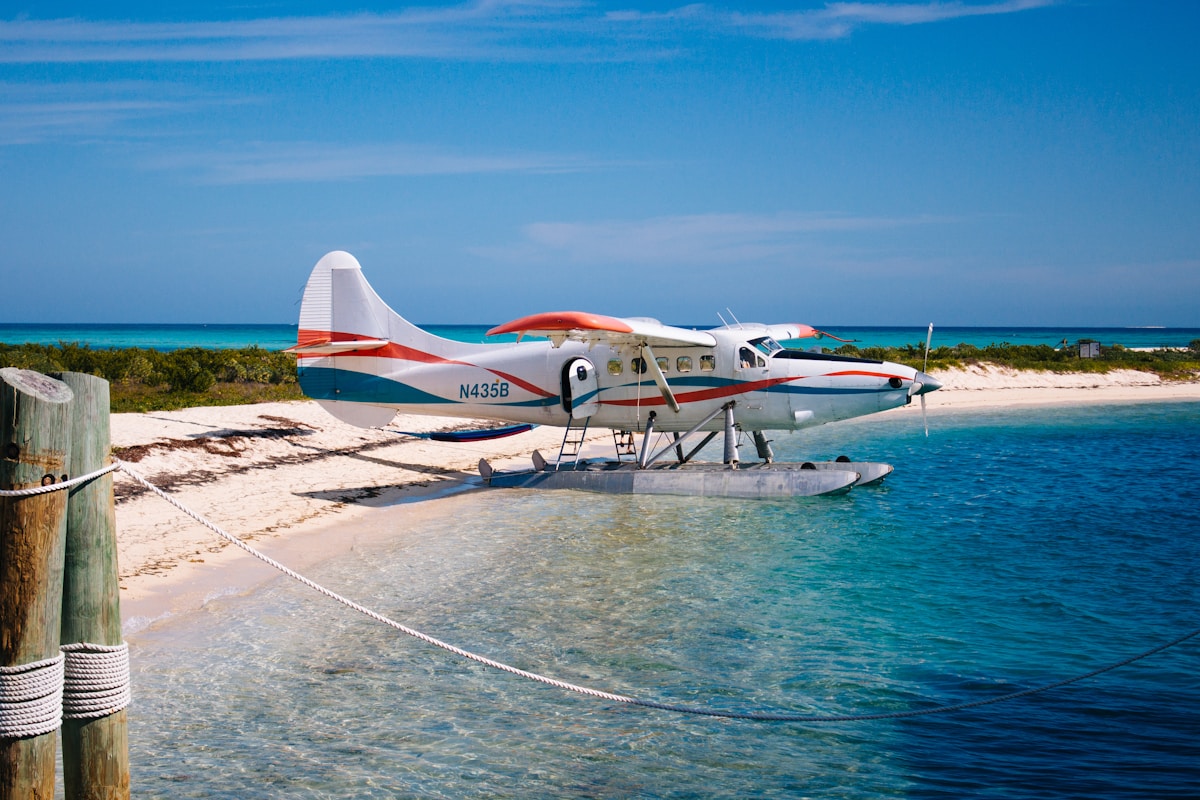
Floats add significant weight and drag to the aircraft. Climb performance decreases. Cruise speeds drop. Fuel consumption increases. The aircraft handles differently on the water at different power settings—plowing versus on the step affects controllability and visibility.
The Step
Understanding the “step” is fundamental to seaplane operations. At low speeds on the water, floatplanes plow through the water with high drag. As speed increases, the aircraft rises onto the step—the aft portion of the float designed for high-speed operation. On the step, drag decreases dramatically and the aircraft can accelerate to takeoff speed.
Getting on the step requires proper technique: back pressure initially to get the nose up, then forward pressure to transfer weight onto the step portion, then back pressure again to lift off. The transitions must be smooth and timed correctly.
Takeoff Techniques
Seaplane takeoffs vary with conditions. Glassy water takeoffs use different technique than rough water takeoffs. Confined area takeoffs require careful planning for obstacles and performance. The takeoff run is typically longer than equivalent land operations due to water drag.
Crosswind takeoffs on water present unique challenges—the aircraft weathervanes into the wind without differential braking to hold alignment. Water rudders help, but skill and timing matter more.
Landing Techniques
Seaplane landings require evaluating the landing surface more carefully than land operations. Glassy water creates the most dangerous condition—with no visual reference for height, pilots have flown into the water unable to judge altitude. Techniques exist for glassy water landings, but they require training and precision.
Normal water landings resemble land technique: approach at proper airspeed, flare, and touch down at minimum speed. But the touchdown feel is different—more draggy and with more directional sensitivity.
Rough water landings require accepting that the touchdown won’t be smooth. Technique focuses on minimizing the impact forces and maintaining control through the oscillations.
Regulations and Restrictions
Seaplane operations involve regulations beyond normal aviation rules. Right-of-way rules on water follow maritime convention—know who yields to whom. Many bodies of water prohibit seaplane operations or restrict them to certain areas or times. National parks, reservoirs, and populated lakes often have restrictions.
Operating from the water doesn’t automatically mean operating in uncontrolled airspace. Class B, C, and D airspace extends over water surfaces within those boundaries, and all normal communication and clearance requirements apply.
Training Programs
Many seaplane training programs offer intensive courses of 2-5 days, often concluding with the practical test. These immersive programs work well for the seaplane rating because the skills build rapidly with concentrated practice. Popular training locations include Florida, Minnesota, Alaska, and the Pacific Northwest—anywhere seaplanes operate routinely.
Choose an instructor and aircraft appropriate for your goals. Cessna 172 floatplanes are common training platforms. Cub-type aircraft on floats offer a different experience. Some pilots train on amphibians, which can operate on both water and land.
After the Rating
Earning the seaplane rating is just the beginning. Building experience across different water conditions, locations, and operations takes time. Many seaplane pilots find that the rating changes how they think about destinations—that remote lake is now accessible, that coastal bay is now landable.
The seaplane rating also creates unique currency challenges. Maintaining proficiency requires regular water operations. If months pass between seaplane flights, get recurrent training before attempting solo operations.
The seaplane rating opens doors to adventure that land-only flying can’t match. With focused training and continued practice, you’ll access flying experiences that most pilots only dream about.