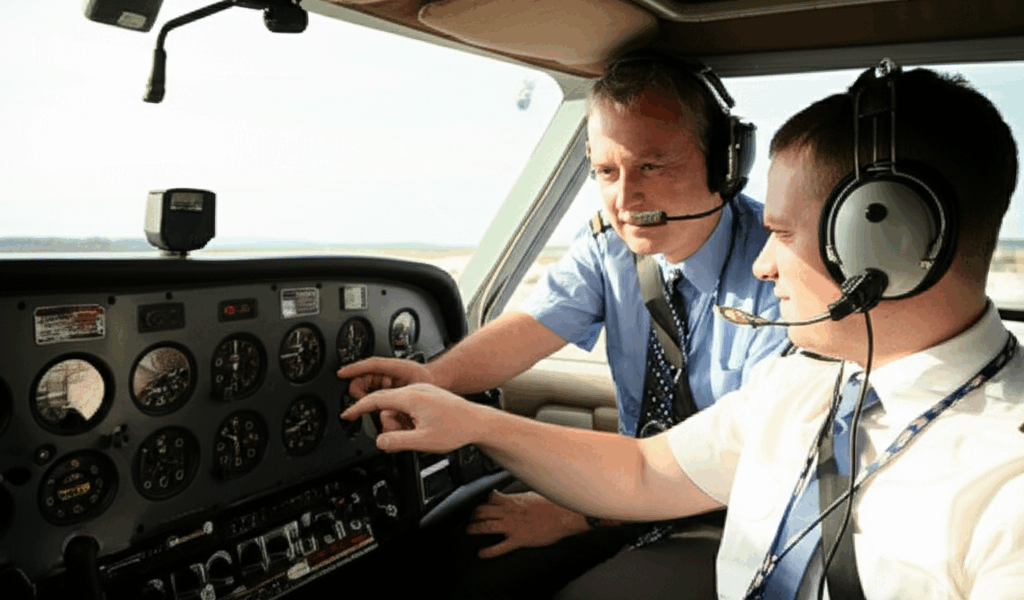
Learning to fly begins with the private pilot certificate—the foundation that enables everything else in aviation. Understanding what this training involves, how long it takes, and what skills you’ll develop helps set realistic expectations for this challenging and rewarding journey.
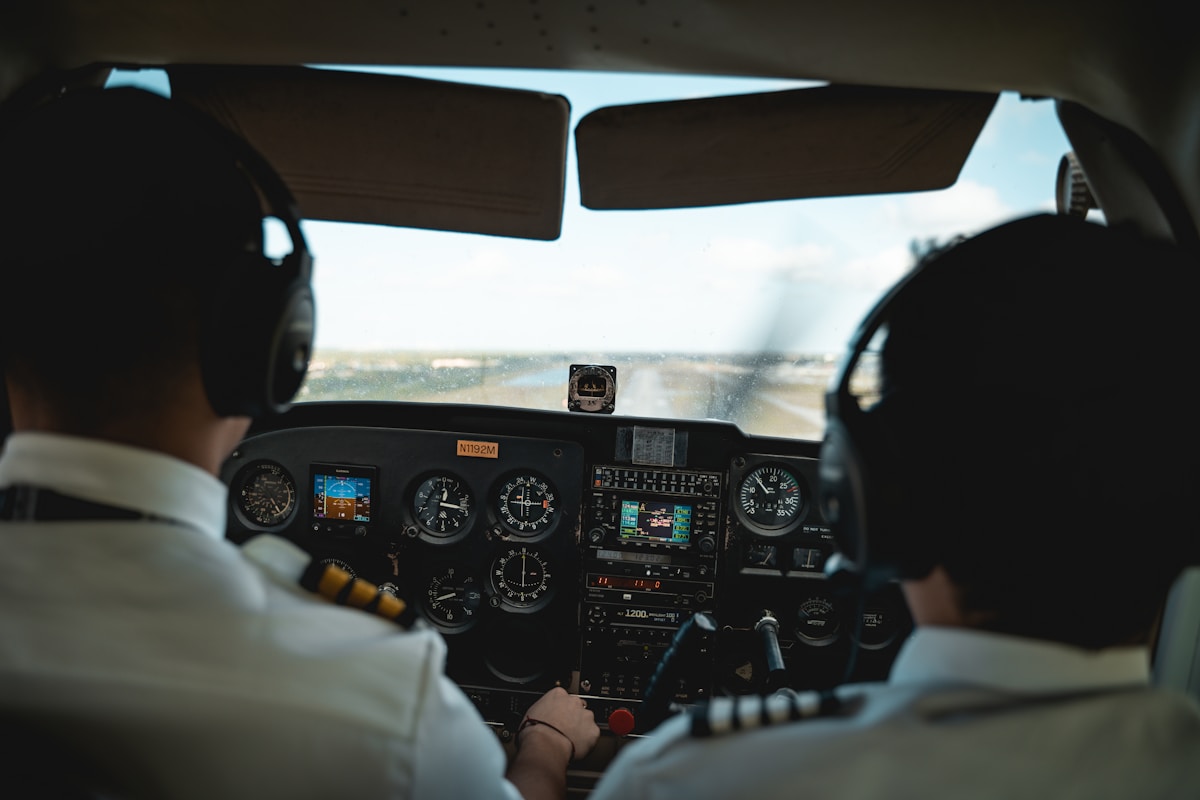
What the Private Pilot Certificate Allows
The private pilot certificate authorizes you to act as pilot in command of aircraft for which you’re rated, carry passengers, fly at night (with appropriate training), and operate for personal transportation and recreation. You cannot fly for compensation or hire, though you can share operating expenses with passengers.
The certificate applies to specific aircraft categories and classes. Most students earn a single-engine land (ASEL) rating first. Additional ratings for multi-engine, seaplane, glider, rotorcraft, and other categories can be added later with additional training and testing.
Requirements for Certification
FAR Part 61 specifies the requirements for private pilot certification. You must be at least 17 years old (16 for glider or balloon), read, speak, write, and understand English, and hold at least a third-class medical certificate (or BasicMed authorization).
Aeronautical experience requirements include at least 40 hours of flight time (35 hours under Part 141), with specific breakdowns for dual instruction, solo time, cross-country flying, night operations, and instrument training. Most students require 50-70 hours to reach checkride proficiency.
Ground School
Before flying, you’ll need to learn aeronautical knowledge covering numerous subjects: regulations, aerodynamics, weather, navigation, aircraft systems, performance calculations, and human factors. This knowledge is tested on a written exam of 60 questions, requiring 70% to pass.
Ground school can be completed through in-person classes, online courses, or self-study with approved materials. Many students complete ground school before or concurrently with flight training. The knowledge learned applies directly to flight operations—this isn’t just test preparation but essential pilot knowledge.
Flight Training Phases
Flight training typically progresses through distinct phases, each building on previous skills.
Pre-Solo Training
Initial training covers basic aircraft control: climbs, descents, turns, and straight-and-level flight. You’ll learn to take off and land, practice slow flight and stalls, and develop the skills needed to fly the traffic pattern safely. This phase typically requires 15-20 hours.
Your instructor will endorse you for solo flight when you demonstrate the skill and judgment to fly the local area safely alone. The first solo—three takeoffs and landings at your home airport—represents a significant milestone and memorable moment for every pilot.
Solo Practice and Refinement
After first solo, you’ll alternate between dual instruction and solo practice. Solo flying builds confidence and reinforces skills. Dual instruction continues developing new capabilities and correcting developing habits before they become ingrained.
Cross-Country Flying
Cross-country flying—operations between airports more than 50 nautical miles apart—develops navigation skills and introduces new airports, airspace, and situations. You’ll plan flights using charts and weather information, then execute those plans solo. Required cross-country experience includes solo flights meeting specific distance requirements.
Night Operations
Night training covers the unique challenges of flying after dark: reduced visibility, airport lighting systems, visual illusions, and physiological factors. The requirement includes 3 hours of night dual instruction including a cross-country flight, plus 10 night takeoffs and landings to a full stop.
Instrument Training
Basic instrument training develops the ability to control the aircraft by reference to instruments when outside visual references are unavailable. This isn’t full instrument rating training but provides skills to escape inadvertent entry into instrument conditions. The requirement is 3 hours of instrument training.
Checkride Preparation
Final preparation focuses on polishing skills, filling knowledge gaps, and building the consistent performance expected on the practical test. Many students benefit from a phase check with a different instructor who can identify areas needing work.
The Practical Test
The checkride, or practical test, evaluates your readiness for certification. An FAA-designated examiner conducts both oral and flight portions, evaluating against the Airman Certification Standards (ACS).
The oral examination covers required knowledge areas: aircraft systems, regulations, weather, aeronautical decision making, and flight planning. Expect scenario-based questions where you explain how you’d handle specific situations. Duration typically runs 1-2 hours.
The flight test demonstrates required skills: preflight procedures, airport operations, takeoffs and landings, ground reference maneuvers, navigation, slow flight, stalls, emergency procedures, and night operations. The examiner evaluates not just technical performance but also judgment, situational awareness, and aeronautical decision making.
Choosing a Flight School
Flight training is available through Part 61 or Part 141 schools. Part 141 schools operate under FAA-approved curricula with specific hour requirements (potentially fewer hours to certification). Part 61 training offers more flexibility in scheduling and progression. Quality of instruction matters more than the regulatory framework—research schools carefully.
Consider instructor quality, aircraft availability and condition, scheduling flexibility, and cost transparency when selecting a school. Visit facilities, talk to current students, and evaluate whether the school’s culture and approach match your learning style.
Costs and Time
Costs vary significantly by location, aircraft type, and individual progress. Expect to invest $10,000-$20,000 for the complete certificate at current rates, including aircraft rental, instruction, materials, and examiner fees. Some students complete training in a few months of intensive study; others spread training over a year or more while working.
Consistent, frequent training typically produces faster progress and better retention. Long gaps between lessons require review time that extends total training hours. If possible, plan for at least 2-3 flights per week during active training.
After Certification
The private pilot certificate isn’t an ending but a beginning. You’ll continue learning throughout your flying life. Consider additional ratings, fly with more experienced pilots, and gradually expand your capabilities and experience envelope.
Stay current: the 90-day passenger currency requirement means three takeoffs and landings every 90 days to carry passengers. Stay proficient: current and proficient aren’t the same thing. Continue training, practice challenging maneuvers, and approach each flight as an opportunity to improve.
The private pilot certificate opens a world of aviation that most people never experience. The training is demanding, the investment significant, but the reward—the ability to slip the bonds of earth and fly—makes it worthwhile for those drawn to the sky.

Stay in the loop
Get the latest wildlife research and conservation news delivered to your inbox.