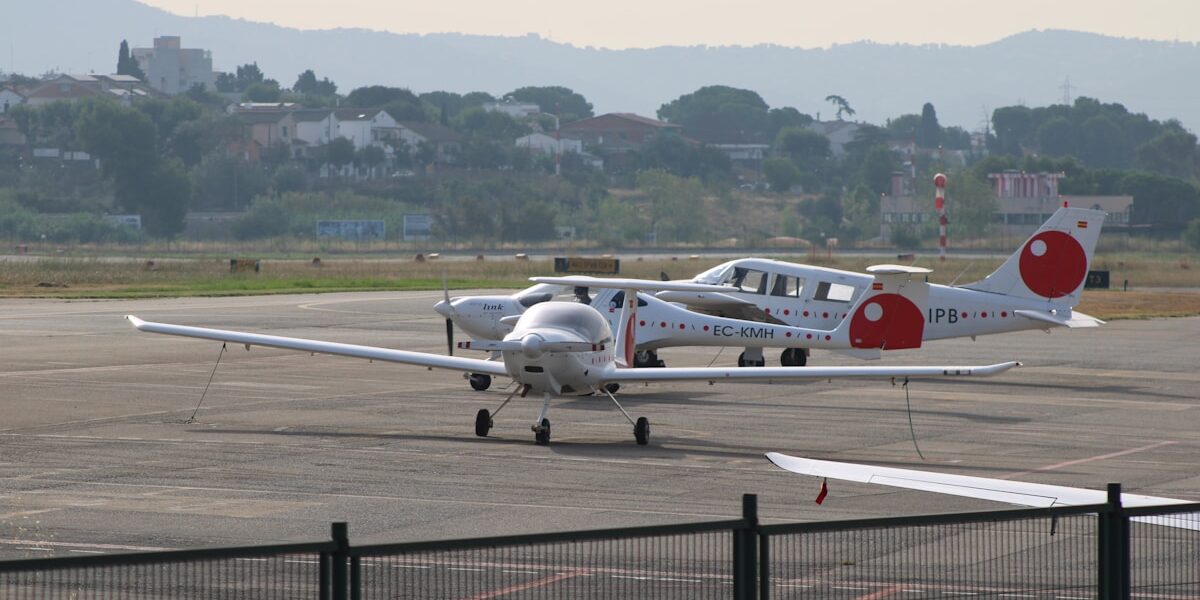
The multi-engine rating represents a significant step toward professional aviation credentials. With two engines comes new capabilities—and new complexities. Understanding asymmetric thrust, managing engine failures, and mastering multi-engine aerodynamics prepare you for the high-performance aircraft used in commercial aviation.
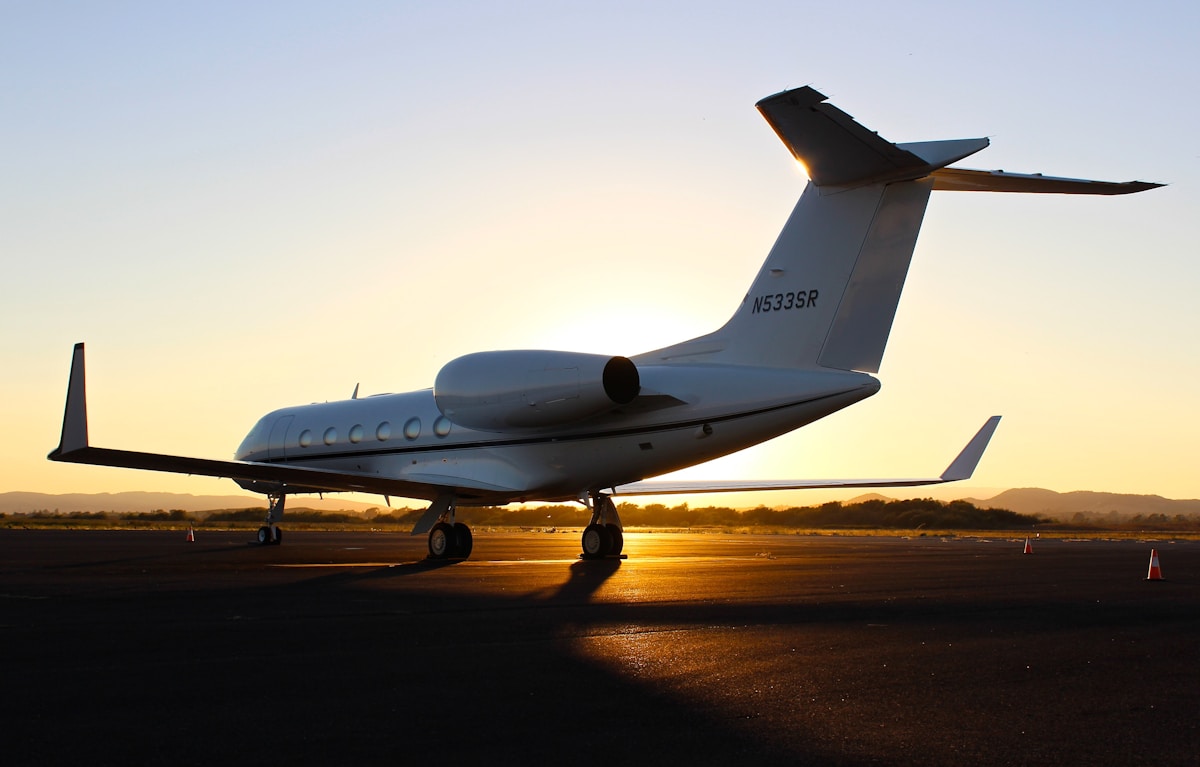
Rating Requirements
Adding a multi-engine rating to your pilot certificate requires passing a practical test with a designated examiner. There’s no written test specifically for the rating—your examiner will test multi-engine knowledge during the oral portion of the practical test.
While there are no minimum flight time requirements for the rating itself, most pilots need 10-20 hours of multi-engine training to reach checkride proficiency. Part 141 programs may specify minimum hours in their approved training courses.
Asymmetric Thrust
The defining challenge of multi-engine flying is managing asymmetric thrust. When both engines produce equal power, the aircraft flies normally. When one engine fails or produces less power, the resulting asymmetric thrust creates yaw toward the failed engine that must be counteracted with rudder.
Critical Engine
In propeller-driven multi-engine aircraft, one engine is typically the “critical engine”—the one whose failure produces the most adverse effects. In most American multi-engine aircraft with clockwise-rotating propellers, the left engine is critical because of P-factor effects. The loss of the left engine creates more adverse yaw than loss of the right engine.
Understanding which engine is critical—and why—helps you anticipate the control forces required during engine-out operations.
VMC—Minimum Control Speed
VMC is the minimum speed at which directional control can be maintained with one engine inoperative. Below VMC, full rudder deflection cannot overcome the asymmetric thrust, and the aircraft will yaw and roll toward the failed engine uncontrollably.
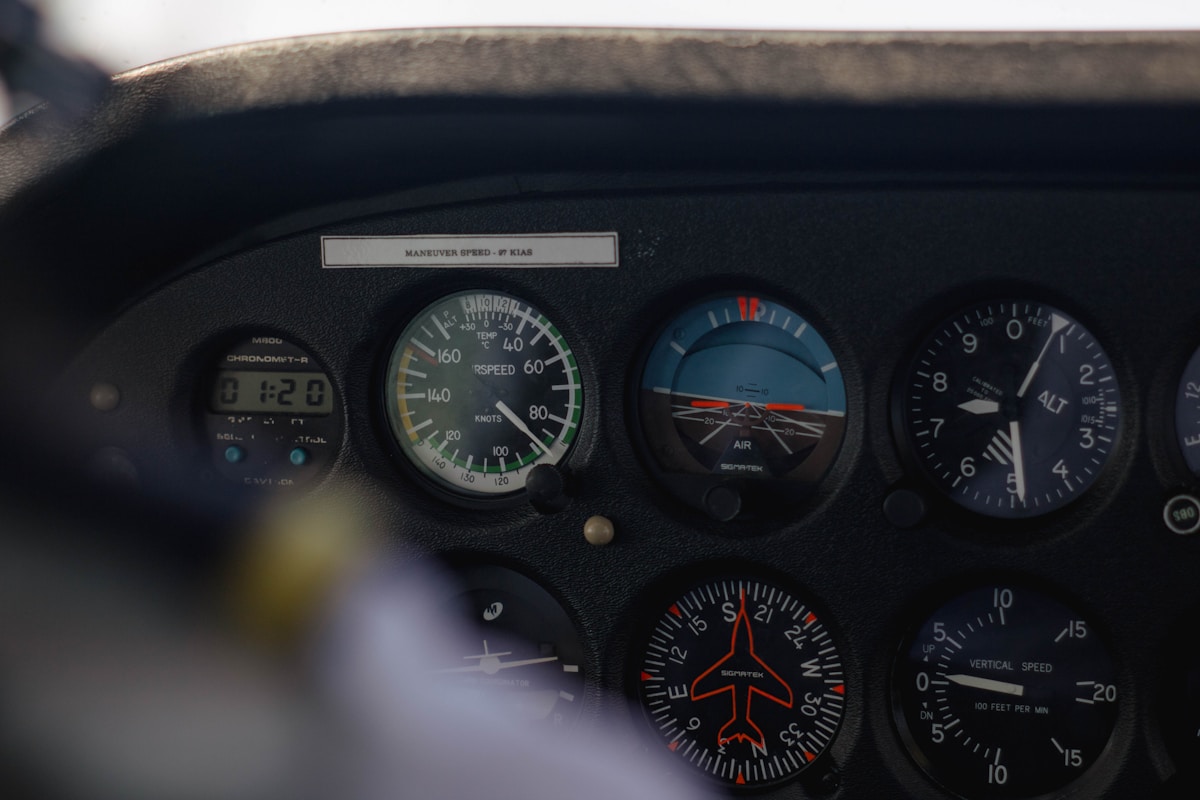
VMC varies with conditions: it increases with higher density altitude, aft CG, extended flaps, and feathered propeller on the operating engine. The red radial line on the airspeed indicator marks VMC, but actual VMC under your specific conditions may differ.
Never fly below VMC with an engine failed. If you can’t maintain altitude above VMC, reduce power on the operating engine to maintain control—controlled flight into terrain beats loss of control.
Engine Failure Procedures
Multi-engine engine failure procedures follow a logical sequence: identify, verify, feather, secure.
Identify
Dead foot, dead engine. The foot with less rudder pressure is on the side of the failed engine. Confirm by checking engine instruments—the failed engine shows low or zero manifold pressure, declining oil pressure, and abnormal temperatures.
Verify
Before shutting down an engine, verify you’ve identified the correct one. Reduce throttle on the suspected failed engine. If aircraft performance decreases, that’s the working engine—you got it wrong. Advance the throttle and identify correctly.
Feather
Feathering the propeller on the failed engine reduces drag dramatically. The propeller blades rotate to a pitch that aligns them with the airflow, minimizing the windmilling drag that would otherwise significantly degrade performance.
Secure
Complete the engine securing checklist: mixture cutoff, propeller feathered, fuel selector off, magnetos off, alternator off. This prevents fire, protects the engine, and simplifies restart if appropriate.
Single-Engine Performance
Multi-engine aircraft don’t climb well on one engine. Losing one engine typically costs you 80% or more of climb performance, not 50%. This is because one engine must overcome all the drag while producing less than half the total power.
Single-engine service ceiling—the altitude at which climb rate decreases to 50 fpm—may be much lower than the normal service ceiling. Know your aircraft’s single-engine performance limitations.
Training Focus Areas
Multi-engine training emphasizes several key areas:
- Normal operations: Managing two engines, two throttles, two mixtures, two propeller controls requires systematic procedures
- Engine failure recognition: Quick identification prevents inappropriate response
- VMC demonstrations: Understanding approach to VMC and recovery techniques
- Single-engine approaches: Flying approaches with one engine simulated failed
- Single-engine go-arounds: Critical decision-making when an approach goes wrong
Practical Test Standards
The multi-engine practical test includes oral questioning on multi-engine aerodynamics, systems, and procedures, followed by a flight test demonstrating normal operations and engine-out procedures. You’ll demonstrate VMC recognition, engine failure handling, and single-engine operations including approach and landing.
The examiner simulates engine failure by reducing power—no actual engine shutdown occurs during the test. Feathering may be demonstrated by actually feathering and unfeathering, or the examiner may accept zero-thrust simulation.
Beyond the Rating
The multi-engine rating is often a stepping stone to professional aviation. Commercial multi-engine and ATP certificates build on this foundation. Insurance and employer requirements typically specify minimum multi-engine hours for specific operations.
Build multi-engine time wisely. Fly with experienced multi-engine pilots. Seek out complex scenarios—crosswind, night, instrument conditions—with appropriate supervision. The skills you develop now prepare you for the more demanding aircraft in your future.
The multi-engine rating transforms you from a single-engine pilot into one prepared for the complexity of professional aviation. Master the fundamentals, respect the aircraft’s characteristics, and the rating becomes a foundation for your aviation career.


Stay in the loop
Get the latest wildlife research and conservation news delivered to your inbox.