Cessna 172 Electrical System
The Cessna 172 is one of the most popular single-engine aircraft. Pilots and aviation enthusiasts appreciate its reliable electrical system. Let’s explore the key components and functionality.
Electrical Power Sources
The primary source of electrical power in a Cessna 172 is the 28-volt DC system. This system includes a 60-amp alternator and a 24-volt lead-acid battery. The alternator provides continuous power during flight. The battery stores power and serves as a backup.
Alternator
The alternator is essential for generating electricity when the engine is running. It converts mechanical energy from the engine into electrical energy. Controlled by a voltage regulator, it ensures a steady 28-volt output. If the alternator fails, the system automatically switches to battery power.
Battery
The battery is crucial for starting the engine and supplying power when the alternator is offline. It provides a stable 24 volts for the aircraft’s electrical needs. Regular maintenance checks ensure the battery’s health. Properly functioning batteries improve reliability and safety.
Circuit Breakers and Fuses
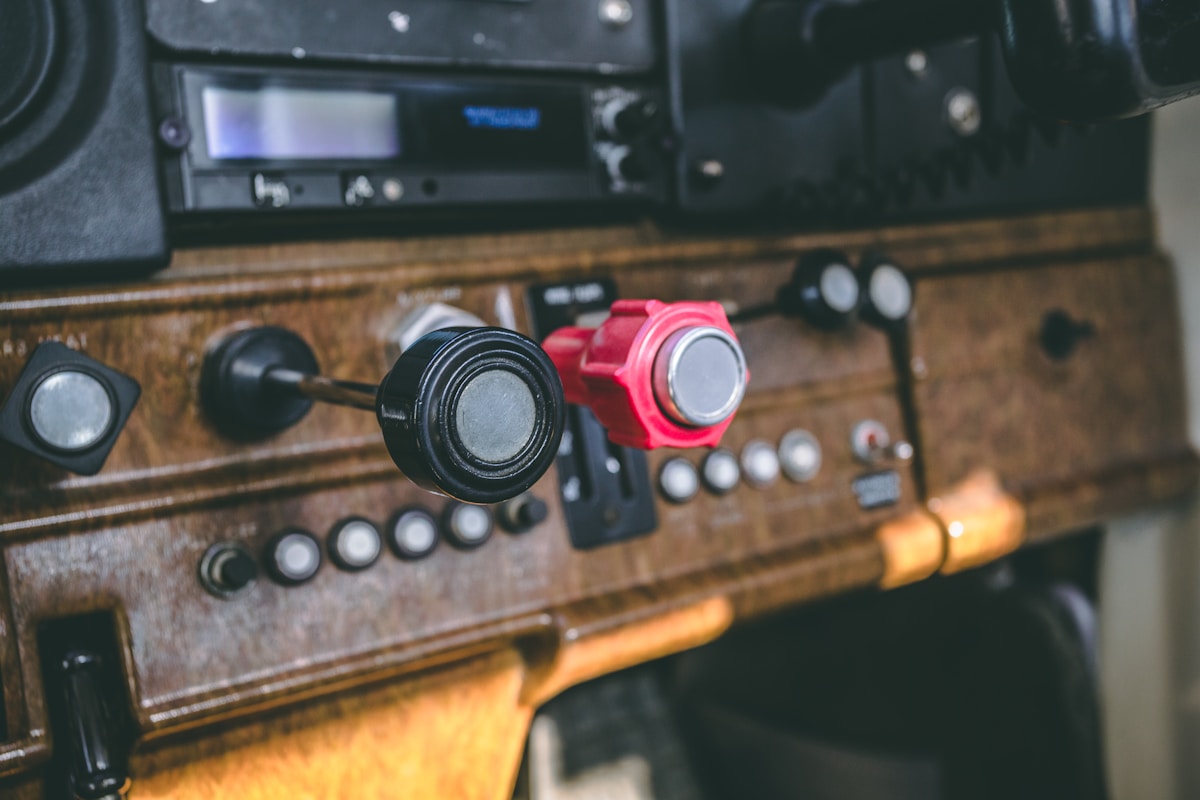
Protecting the electrical components, circuit breakers and fuses are vital. They prevent damage from electrical overloads. Commonly located on the instrument panel, they are easily accessible to pilots during flight.
Circuit Breakers
Circuit breakers automatically interrupt power if a circuit overloads. Once the issue is resolved, pilots can reset them. This feature helps safeguard the electrical system without requiring immediate repairs.
Fuses
Fuses also protect against electrical surges but need replacement when blown. They ensure that current overload conditions do not harm sensitive equipment. Keeping spare fuses onboard is a good practice for pilots.
Avionics and Instruments
The avionics and instruments in a Cessna 172 depend on a stable electrical supply. These systems include radios, navigation aids, transponders, and various flight instruments. A well-functioning electrical system supports efficient operation and enhances safety.
Radios
Radios are critical for communication. They rely heavily on the electrical system. This equipment includes VHF communication radios, backup handheld radios, and emergency locator transmitters (ELTs).
Navigation Aids
Navigation aids such as GPS units, VOR receivers, and NDB systems require power. These tools assist pilots in route planning and maintaining course accuracy.
Flight Instruments
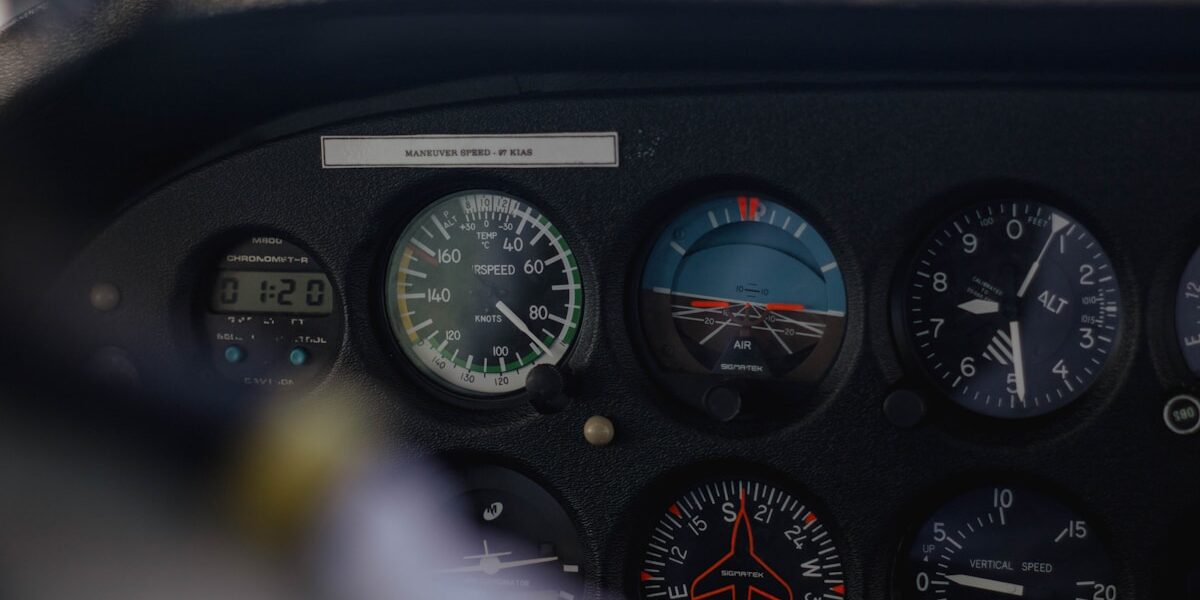
The Cessna 172’s flight instruments, including altimeters, airspeed indicators, and artificial horizons, depend on reliable power. Accurate instrument readings contribute to safe flying conditions.
Lighting Systems
The aircraft’s lighting systems ensure visibility and safety during night operations. These include interior and exterior lights, such as landing lights, navigation lights, and cockpit instrument lights.
Exterior Lights
- Landing Lights
- Navigation Lights
- Strobe Lights
Exterior lights help with visibility and collision avoidance. Landing lights assist with takeoffs and landings. Navigation and strobe lights make the aircraft visible to others.
Interior Lights
- Instrument Panel Lights
- Cabin Lights
Interior lights illuminate the cockpit and instrument panel. These are crucial for night flying and reading instruments clearly.
Electrical Load Management
Effective load management is essential in a Cessna 172. Pilots monitor and manage the electrical load to prevent draining the battery. Understanding the electrical load ensures that critical systems remain operational.
- Monitor the ammeter
- Prioritize essential systems
- Reduce non-essential loads
An ammeter indicates the electrical load on the system. Pilots can prioritize systems during high-load scenarios. Reducing non-essential loads helps conserve battery power.
Maintenance and Troubleshooting
Regular maintenance and troubleshooting keep the electrical system in top condition. Inspections, functional tests, and timely repairs prevent failures and enhance flight safety.
Routine Inspections
Routine inspections include checking connections, wiring, and the condition of the battery. Ensuring a clean and secure electrical system reduces risks.
Functional Tests
Functional tests assess the performance of each electrical component. These tests verify proper operation and identify potential issues before they become serious problems.
Troubleshooting
Troubleshooting involves diagnosing and fixing problems if the electrical system malfunctions. Pilots and maintenance crews follow systematic approaches to identify faults and perform necessary repairs.
Safety Precautions
Safety precautions are vital when dealing with the electrical system. Proper handling, using the right tools, and following manufacturer guidelines ensure safety during maintenance and operations.
- Disconnect the battery before servicing
- Use insulated tools
- Avoid short circuits
Disconnecting the battery prevents accidental short circuits. Using insulated tools minimizes the risk of electric shocks. Careful handling of electrical components ensures overall safety.



Stay in the loop
Get the latest wildlife research and conservation news delivered to your inbox.