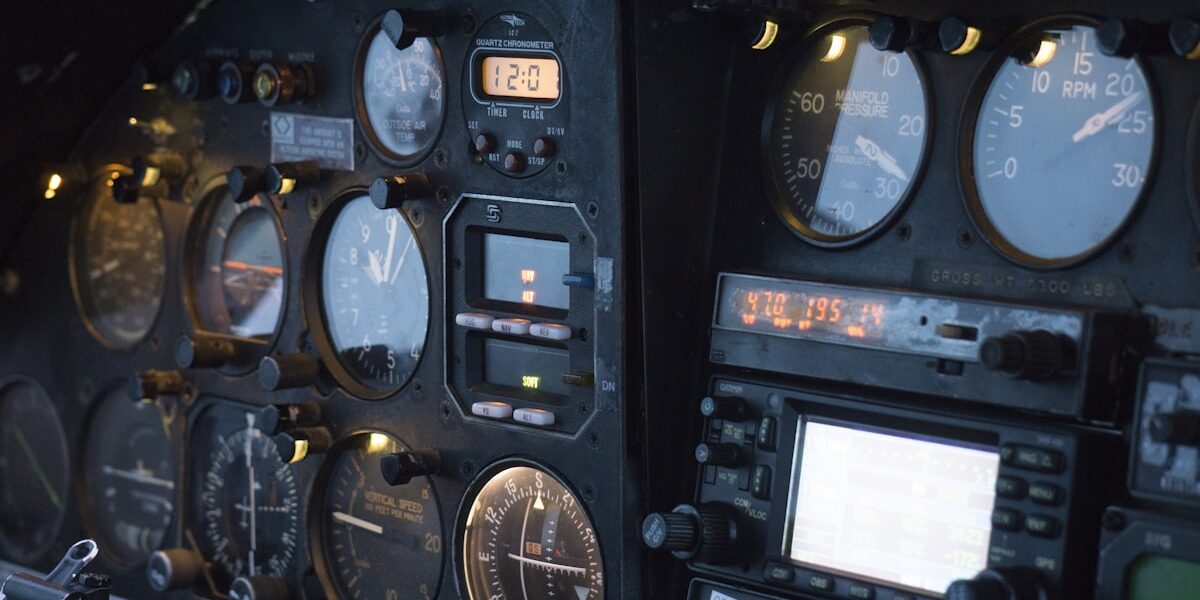
The instrument rating transforms a fair-weather private pilot into a pilot capable of flying in clouds, reduced visibility, and conditions that ground VFR-only pilots. More than any other rating, the instrument rating develops the precision, discipline, and systems thinking that define skilled pilots.
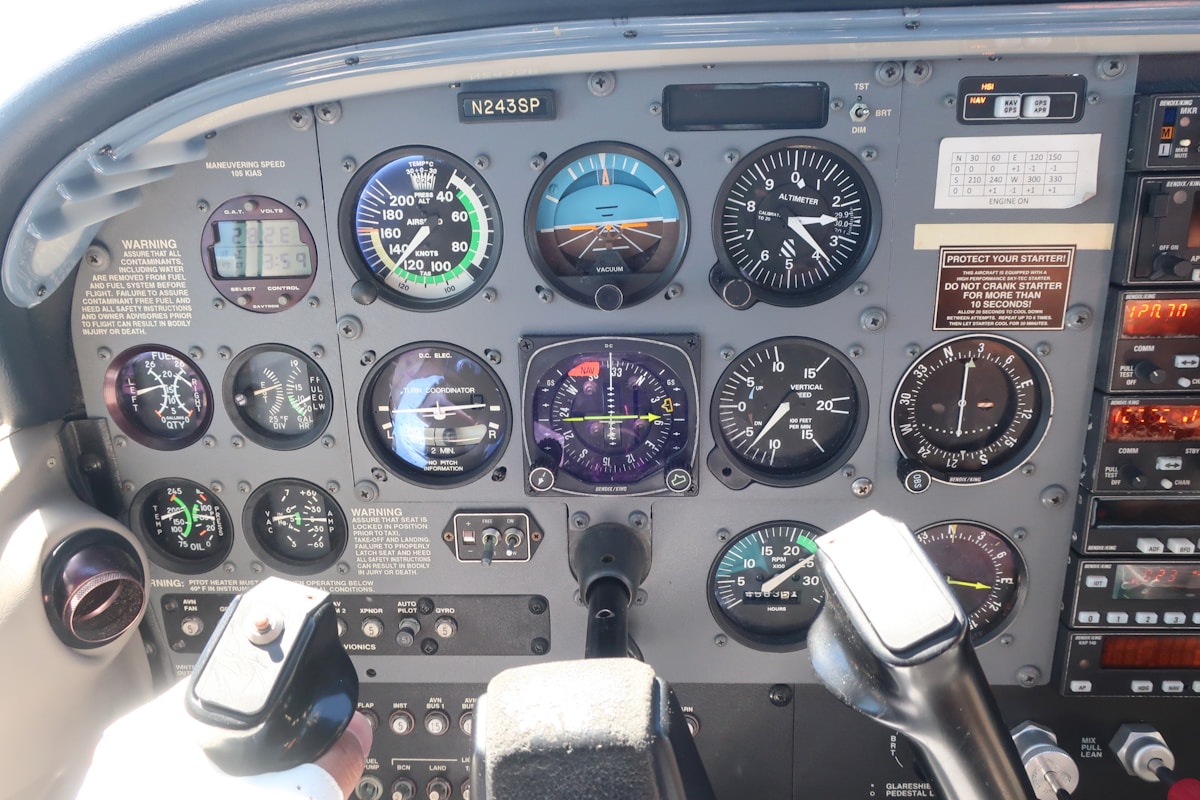
What the Instrument Rating Provides
An instrument rating allows you to file and fly IFR (Instrument Flight Rules) flight plans, operate in controlled airspace during instrument meteorological conditions (IMC), and fly approaches to minimums at airports equipped with instrument procedures. The rating applies to your pilot certificate for the aircraft category and class in which you complete training.
Beyond legal privileges, the instrument rating provides skills and knowledge that improve all your flying. Understanding the ATC system, navigation systems, and weather phenomena at the level required for instrument flying makes you a better VFR pilot. Many pilots consider the instrument rating the most valuable training they receive after initial certification.
Prerequisites
To pursue an instrument rating under Part 61, you must hold at least a private pilot certificate and have specific experience: 50 hours of cross-country flight time as pilot in command, with at least 10 hours in airplanes. This experience provides the foundation for the more demanding instrument environment.
Training Requirements
Instrument training under Part 61 requires at least 40 hours of actual or simulated instrument time, including 15 hours with an authorized instructor. The training must include specific elements: cross-country flying, holding patterns, intercepting and tracking courses, and instrument approaches.
Most pilots require 50-70 hours of instrument training to reach checkride proficiency, though this varies with aptitude, frequency of training, and quality of instruction. The training can be conducted in aircraft or approved simulators and training devices, with certain hour requirements for each.
Knowledge Test
The instrument rating knowledge test covers instrument flying regulations, procedures, navigation, weather, and aeronautical decision making. The test contains 60 questions with a 2.5-hour time limit. Passing requires 70% correct.
The test emphasizes practical knowledge: reading approach plates, understanding weather reports, interpreting instrument indications, and applying regulations to real scenarios. Study should include actual approach plates and weather products, not just test preparation materials.
Core Skills
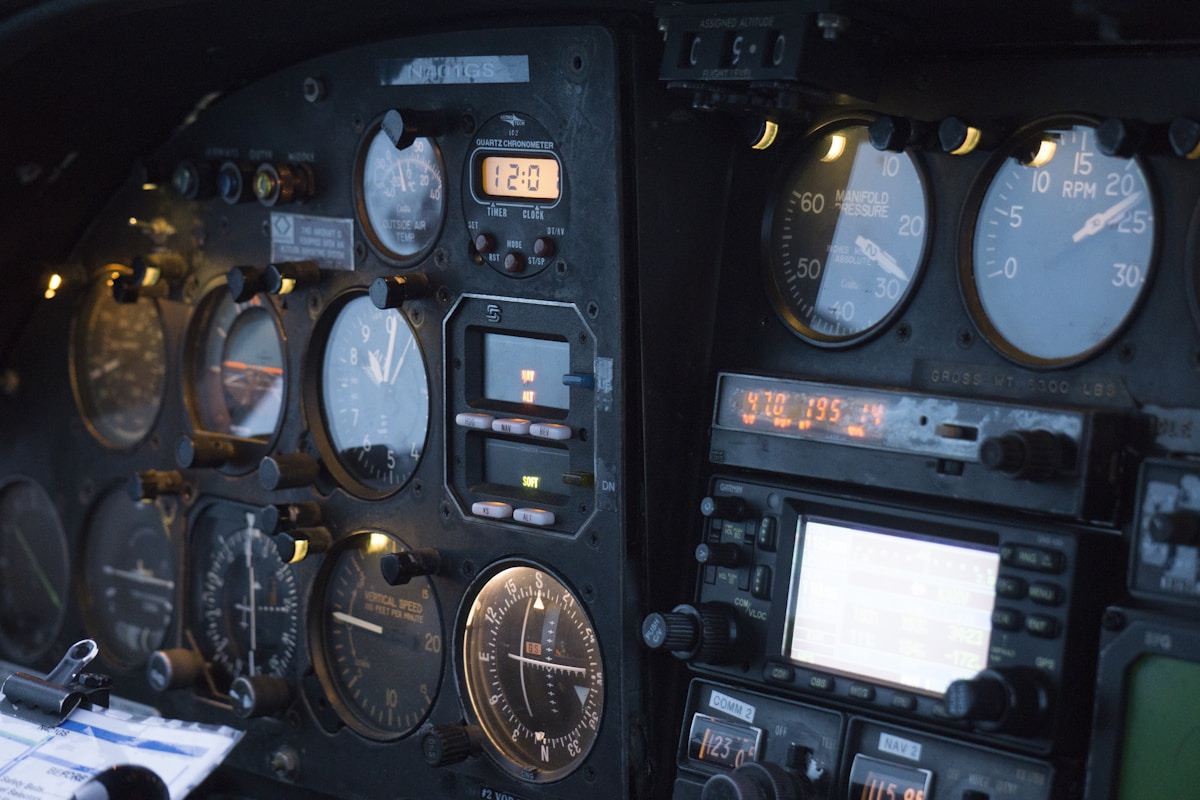
Instrument flying develops several interconnected skills that must become automatic for safe IFR operations.
Attitude Instrument Flying
The fundamental skill is aircraft control by reference to instruments rather than outside visual references. The attitude indicator becomes the primary reference, with other instruments providing performance confirmation. Scan patterns ensure all instruments receive appropriate attention without fixating on any single indication.
Navigation
Instrument navigation uses ground-based navaids (VOR, ILS, localizers) and GPS/RNAV systems to fly precise courses. Understanding how these systems work, their limitations, and how to use them efficiently requires study and practice. Modern avionics simplify some tasks while adding complexity in others.
Procedures
IFR flying follows published procedures: departure procedures, en route airways, arrival procedures, and instrument approaches. Reading and flying these procedures accurately requires understanding the symbology, altitude restrictions, and expectations of each procedure type.
Communication
ATC communication in the IFR environment is more structured and demanding than VFR flight following. Clearances must be copied accurately and read back correctly. Understanding what controllers expect and need helps maintain efficient operations.
Instrument Approaches
The instrument approach represents the culmination of IFR skills. Different approach types offer varying precision and minimums:
Precision approaches (ILS, GLS) provide vertical and lateral guidance down to decision heights as low as 200 feet above the runway. These approaches require tracking the localizer and glide slope precisely.
Non-precision approaches (VOR, GPS LNAV, NDB) provide only lateral guidance. The pilot manages descent using step-down fixes and minimum descent altitudes. These approaches typically have higher minimums.
Approach with vertical guidance (LPV, LNAV/VNAV) uses GPS to provide vertical guidance similar to precision approaches, often with minimums approaching ILS capability.
Weather Knowledge
Instrument pilots must understand weather far beyond VFR requirements. Frontal weather, icing conditions, thunderstorm development, and fog formation all affect IFR operations directly. The decision to file IFR and continue into deteriorating conditions requires understanding not just current weather but how conditions may change during flight.
Ice is a particular concern for instrument pilots because IMC often occurs in conditions conducive to icing. Understanding ice types, where ice forms, and how to avoid or escape icing conditions is essential for IFR operations in many parts of the country.
The Practical Test
The instrument practical test evaluates knowledge, judgment, and flying skill. The oral examination covers regulations, weather, procedures, and scenario-based decision making. Expect questions about personal minimums, ice avoidance strategies, and how you’d handle various in-flight situations.
The flight test includes instrument maneuvers (unusual attitudes, steep turns), navigation along airways or direct routes, holding patterns, and multiple instrument approaches. At least one approach must be flown to minimums (simulated with a view-limiting device). A missed approach and the subsequent procedures are always evaluated.
Currency and Proficiency
Instrument currency requires six approaches, holding, and intercepting and tracking courses within the preceding six months. These can be accomplished in actual IMC, simulated conditions with a safety pilot or instructor, or approved training devices.
Currency is a minimum standard, not a proficiency measure. Recent IFR flying in actual conditions develops different skills than occasional practice approaches in simulated conditions. Maintain proficiency appropriate to the conditions you expect to fly in.
Beyond the Rating
The instrument rating opens IFR flying, but proficiency develops over years of experience. New instrument pilots should build experience gradually, flying IFR in visual conditions before venturing into actual IMC. Practice approaches at unfamiliar airports. Fly in various weather conditions, expanding capabilities as skills develop.
Consider the rating as a foundation for continuous learning. Weather knowledge develops over a lifetime. Avionics capabilities continue to evolve. Best practices and techniques emerge from the aviation community. The instrument rating admits you to a continuing education that makes you safer and more capable with each flight.


Stay in the loop
Get the latest wildlife research and conservation news delivered to your inbox.