As someone who has spent countless hours waiting on airport ramps, I learned everything about patience in aviation through situations exactly like today. Probably should have led with this: the fuel truck was late, we waited twenty minutes, and it turned into one of our most productive ground sessions.
Showed up for a 9 AM lesson with my instrument student Tyler and found ourselves stuck on the ramp waiting for fuel. We had burned down to about eight gallons per side on our cross-country flight yesterday, and I am not comfortable departing with less than full tanks when we are planning a two-hour lesson in the practice area. So we waited.
Making Delays Work For You
The fuel truck driver eventually rolled up around 9:25, apologetic. Apparently there was a mechanical issue with one of the trucks and they were running a single vehicle for the whole field. It happens. General aviation is not like the airlines – we do not have dedicated fuel farms and around-the-clock crews. Sometimes you just have to be patient.
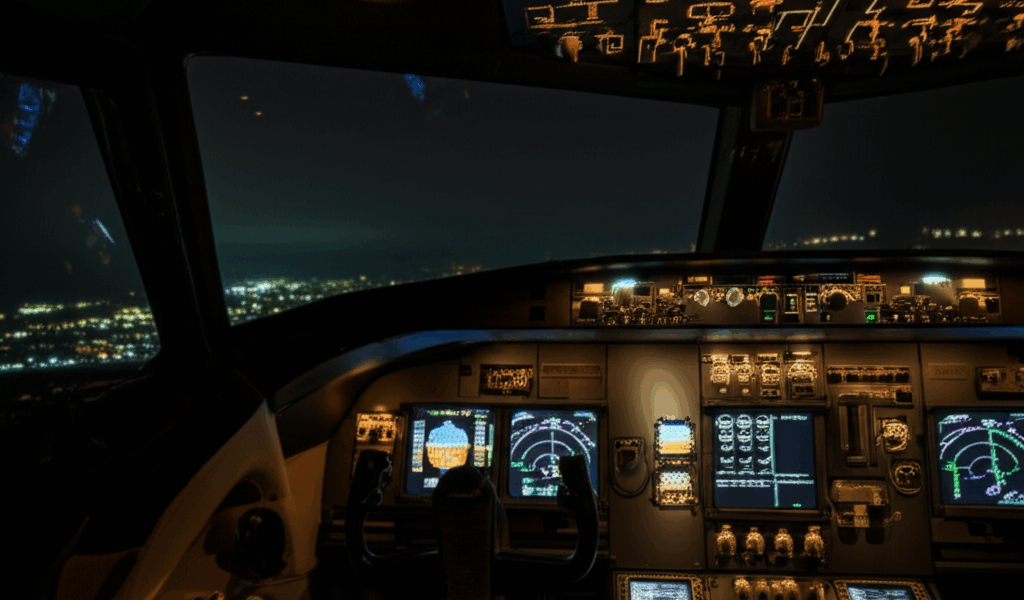
Tyler and I used the time productively. We sat in the cockpit and went through his instrument scan, practicing the flow from attitude indicator to altimeter to heading indicator to VSI. He has been struggling with holding altitude during turns, which is a common problem. When you bank the airplane, you lose some vertical component of lift, and if you do not compensate with a little back pressure, you will descend. Simple physics, but hard to internalize when you are also trying to track a VOR radial and listen to ATC. That has gotten complicated with all the multitasking required.
Approach Plate Review
We also reviewed the approach plates for the ILS 27 at our destination field. Went through the minimums, talked about the missed approach procedure, identified the key fixes and frequencies. I quizzed him on the decision height, the missed approach point, and what he would do if he broke out of the clouds at minimums but saw he was not aligned with the runway. These are the scenarios that trip people up on checkrides.
Groundwork like this pays dividends in the air. By the time the fuel truck arrived, Tyler had the whole approach memorized. He could recite the frequencies, the altitudes at each fix, and the missed approach procedure without looking at the plate. That is exactly where you want to be before you put the foggles on and start flying approaches for real.
The Silver Lining
Ended up taking off at 9:45 instead of 9 AM. Not ideal, but we made it work. Extended the lesson by fifteen minutes to make up some of the lost time, and Tyler got three solid approaches in under the hood before we called it a day. His altitude control during turns improved noticeably – that cockpit review must have sunk in.
The funny thing about delays in aviation is they force you to slow down. And sometimes slowing down is exactly what you need. That is what makes these unexpected pauses valuable. If we had rushed out with minimum fuel just to stay on schedule, we would have had less margin for error, less flexibility if something went sideways. Next lesson is Thursday. We will work on holds.

Stay in the loop
Get the latest wildlife research and conservation news delivered to your inbox.