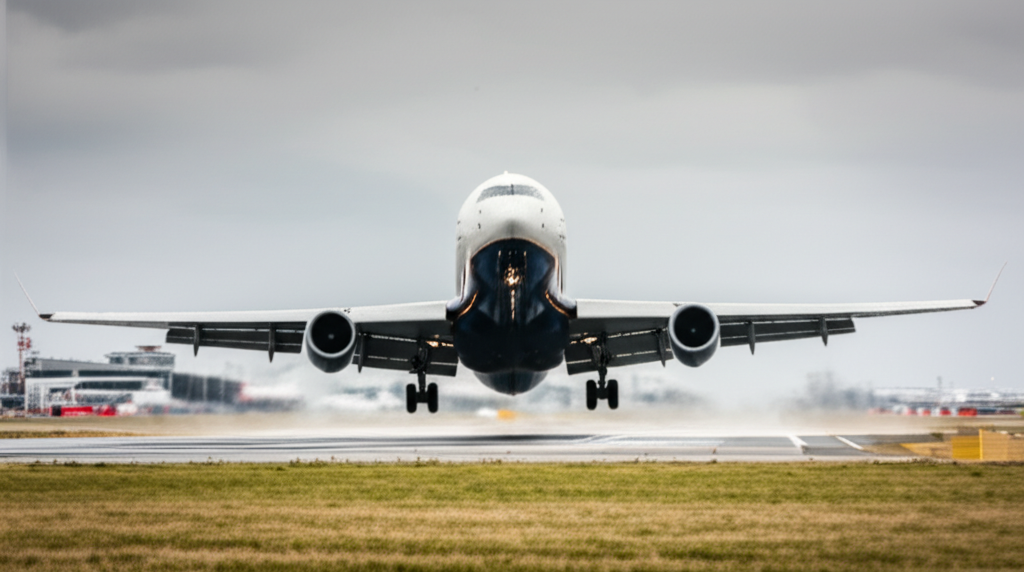
As someone who spends most of my working hours in the traffic pattern, I learned everything about landing proficiency through endless repetition. Probably should have led with this: we did touch and goes until my feet genuinely hurt from riding the rudder pedals.
Spent four hours in the pattern with my student Marcus, working on his landings before his checkride next week. Four hours might sound excessive, but he needed the repetition. We must have done thirty touch and goes by the time we called it quits. My right foot is genuinely sore from all that time on the pedals.
The Early Struggles
The first ten landings were rough. Marcus kept coming in too high and too fast, then trying to salvage it by pulling power and dropping the nose. Classic student mistake. We would balloon, float, balloon again, and finally plunk down somewhere past the thousand-foot markers. Not dangerous, but definitely not checkride quality either.
When It Finally Clicked
Around landing fifteen, something clicked. I had him start calling out his airspeed on final – sixty-five, sixty-three, sixty-five, sixty-two – and that forced him to actually look at the instrument instead of just staring at the runway. That has gotten complicated with all the other things demanding attention during an approach, but verbalizing the numbers helped enormously. His approaches smoothed out. He started managing energy better, adding a touch of power when we got below 60 knots, pulling it back when we picked up too much speed in the flare.
By landing twenty-five, he was nailing the numbers consistently. Touching down right at the thousand-footers, holding centerline, smooth transitions from flare to rollout. I could feel his confidence building with each landing. That is what makes pattern work so valuable – it is boring until it is not. Somewhere in the monotony, muscle memory takes over.
Advanced Techniques
We practiced short field and soft field techniques in the last five circuits. Short field landings with full flaps, power off abeam the numbers, hitting a specific touchdown point. Soft field with the yoke held back throughout the rollout, keeping weight off the nosewheel. He has got the techniques down; now it is just about consistency under pressure.
Tower was patient with us, which I appreciated. Class D airspace, and they know we are a training operation. The controller even gave Marcus a nice landing comment after one particularly smooth touchdown. Small thing, but it mattered to him.
Checkride is Thursday. I think he is ready. Sometimes you just need to fly the same pattern over and over until your body knows what to do before your brain does.


Stay in the loop
Get the latest wildlife research and conservation news delivered to your inbox.