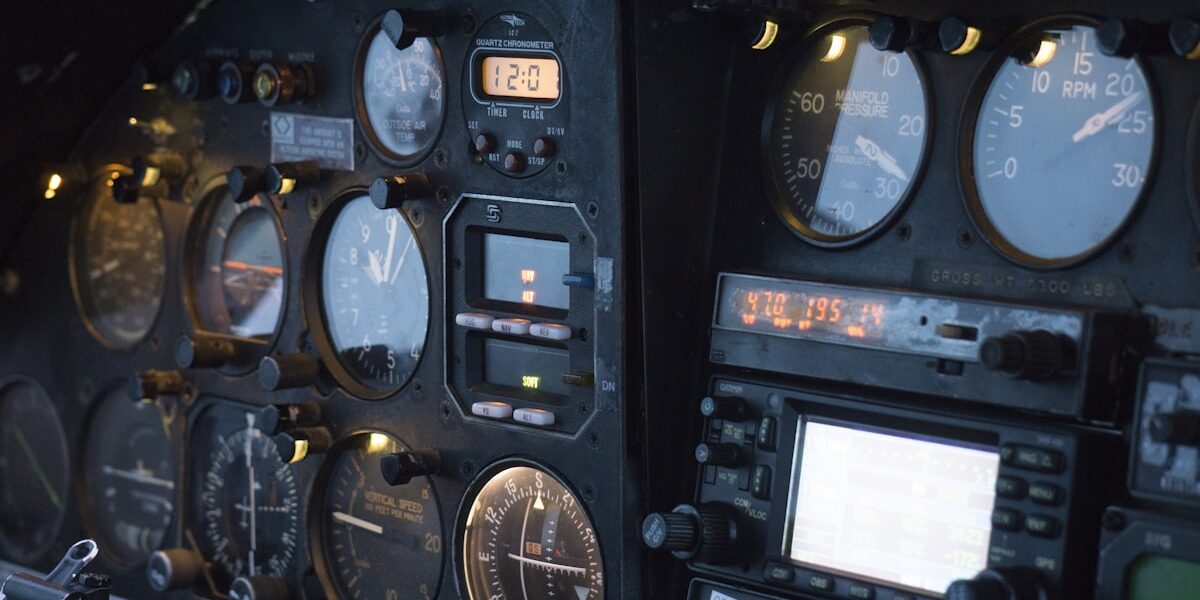
The engine runup is one of the most important preflight procedures you’ll perform, yet many student pilots rush through it without truly understanding what they’re checking. This systematic test of your aircraft’s powerplant and critical systems is your last line of defense before committing to flight. Let’s break down exactly what you’re verifying and why it matters.
The Purpose of the Engine Runup
The runup serves multiple critical functions. You’re verifying that the engine will produce the power you need for takeoff and climb. You’re checking that redundant ignition systems are working properly. You’re confirming that carburetor ice prevention works. And you’re ensuring that oil pressure, temperature, and other engine parameters are within safe limits. Think of it as a final systems check before you leave the ground—where there’s no pulling over if something goes wrong.
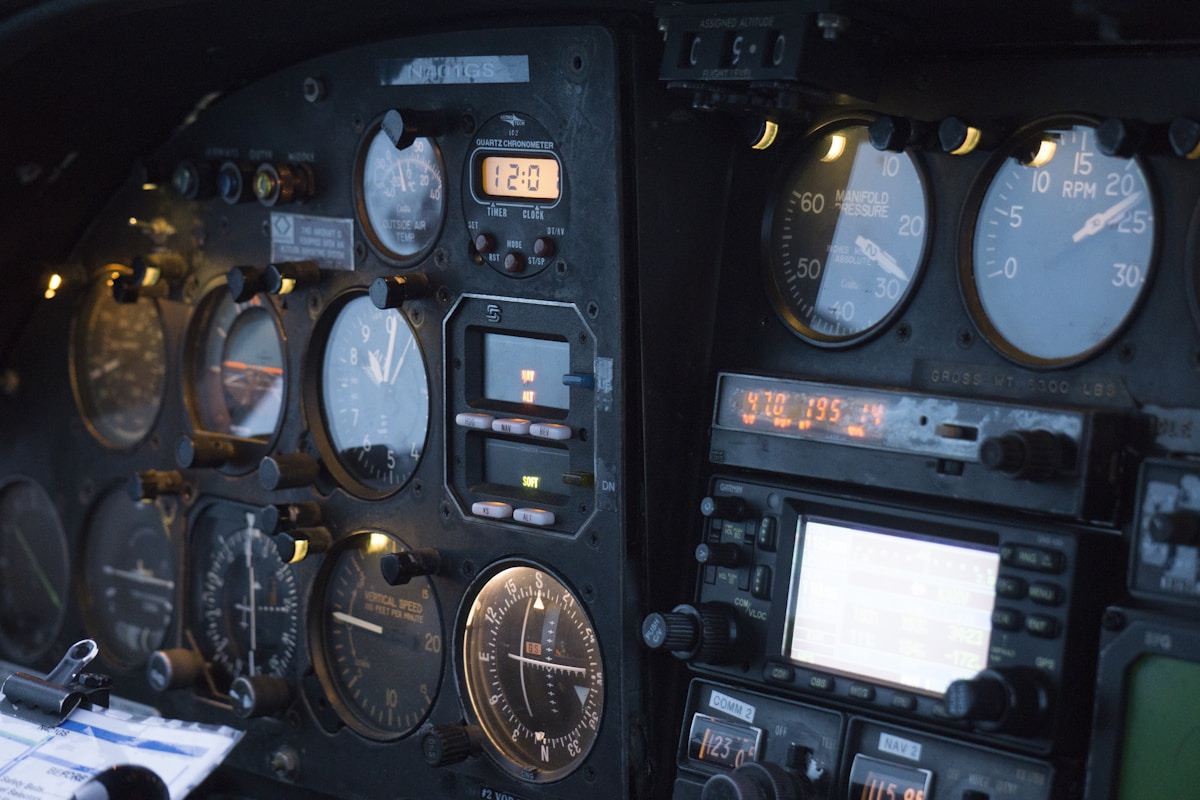
Positioning and Initial Power Setting
Before adding power, position your aircraft properly. Point the tail away from other aircraft, hangars, and any loose debris that could become projectiles in your propwash. If wind conditions permit, face into the wind to maximize cooling air through the engine cowling during the runup.
Set the parking brake firmly and test it by adding a small amount of power. The aircraft should remain stationary. If the brakes don’t hold, you’ll need to address this before proceeding—either have someone chock the wheels or find a better solution.
Advance the throttle to your aircraft’s specified runup RPM, typically 1700-1800 RPM for most training aircraft. This power setting is high enough to properly load the engine for testing while not so high that it becomes difficult to control the aircraft on the ground.
The Magneto Check: Understanding Dual Ignition
Your aircraft engine has two independent ignition systems, each with its own magneto and set of spark plugs. This redundancy means that if one system fails in flight, the engine continues running on the other. The mag check verifies both systems are functioning properly.
At your runup RPM, switch from BOTH magnetos to the RIGHT magneto only. Note the RPM drop. A drop of 50-175 RPM is typically acceptable—check your specific aircraft’s POH for exact limits. The RPM drops because you’re now running on only one spark plug per cylinder instead of two, resulting in slightly less efficient combustion.
Return to BOTH, allow the RPM to stabilize, then switch to LEFT magneto only. Note this drop as well. Both drops should be within limits, and the difference between them should typically be no more than 50 RPM. Return to BOTH.
What abnormal indications mean:
- No RPM drop: The magneto may still be connected (grounding issue), creating a safety hazard
- Excessive drop (over 175 RPM): Could indicate fouled spark plugs, bad ignition leads, or magneto timing issues
- Rough running: One or more spark plugs may be fouled or failing
- Large difference between mags: One ignition system may be significantly weaker than the other
Carburetor Heat Check
For carbureted engines, ice can form in the carburetor venturi even on relatively warm days, especially in humid conditions. The carburetor heat system routes hot air from around the exhaust manifold to prevent or remove this ice.
Apply full carburetor heat and observe the RPM. You should see a drop of approximately 100-200 RPM. This drop occurs because the heated air is less dense than ambient air, resulting in a richer fuel mixture. If you see no RPM drop, the carburetor heat system may not be functioning—a potentially dangerous situation.
Return carburetor heat to the cold position and verify RPM returns to its previous value. If any ice had accumulated during taxi, you might notice the RPM actually increases slightly above the original value as the ice melts away.
Oil Pressure and Temperature Verification
Check that oil pressure is in the green arc. Low oil pressure could indicate insufficient oil quantity, a failing oil pump, or internal engine problems. High oil pressure might suggest a blocked passage or incorrect oil viscosity for the temperature conditions.
Oil temperature should also be in the green arc before takeoff. In cold weather, this may require extended warm-up time. Operating at high power with cold oil can cause accelerated engine wear and potential damage. If the engine has been running long enough for a proper runup, oil temperature is usually adequate.
Propeller Cycle (Constant-Speed Props)
If your aircraft has a constant-speed propeller, cycle it during the runup. Move the propeller control from high RPM to low RPM and back. You should see the RPM drop momentarily as the blade angle changes, then return to the original setting.
This cycle serves two purposes: it verifies the propeller governor and pitch change mechanism are working, and it circulates warm oil through the propeller hub, which is especially important in cold weather. Most pilots cycle the prop two or three times to ensure the oil in the hub is warm.
Additional Checks During Runup
Ammeter or loadmeter: Should show a positive charge, indicating the alternator is functioning and the electrical system is healthy.
Suction gauge: If equipped with vacuum-driven gyro instruments, verify suction is in the green range (typically 4.5-5.5 inches Hg). Without adequate suction, your attitude indicator and heading indicator won’t function reliably.
Flight controls: Verify full and free movement in all axes—ailerons, elevator, and rudder. This is your last chance to detect a control lock still installed or a jammed control surface.
Flight instruments: Set the altimeter to field elevation or current altimeter setting, verify the attitude indicator is erect, and check that other instruments are indicating reasonably.
What to Do When Something Is Abnormal
If you encounter any abnormal indication during the runup, do not proceed with takeoff. The runup exists precisely to catch these problems while you’re still on the ground.
For a rough-running engine or excessive mag drop, try running the engine at higher RPM for 30-60 seconds to burn off potential spark plug fouling, then recheck. If the problem persists, shut down and have a mechanic investigate.
For oil pressure or temperature issues, do not attempt takeoff. These could indicate serious engine problems that may result in complete engine failure in flight.
Remember: finding a problem during runup is a success, not a failure. The runup did its job. The failure would be continuing a flight with a known mechanical issue.
Common Runup Mistakes to Avoid
Rushing through the checks: Going through the motions without actually observing the instruments defeats the purpose of the runup.
Skipping the runup on subsequent flights: Each flight requires a full runup, even if you just landed 20 minutes ago.
Accepting abnormal indications: “It’s always done that” is not an acceptable answer for mechanical discrepancies.
Poor positioning: Blasting other aircraft or hangars with propwash is unprofessional and potentially damaging.
Not testing the brakes: A runup at high power with failed brakes could send you rolling into obstacles or other aircraft.
The Runup Mindset
Approach every runup with the understanding that this is your last opportunity to find problems while you’re safely on the ground. The few minutes you spend here could save your life. Don’t treat it as an obstacle to getting airborne—treat it as the critical safety check it truly is.
Complete your runup checklist systematically on every flight. The checklist was designed by engineers and experienced pilots to catch potential problems. Trust the system, follow it properly, and you’ll catch issues before they become emergencies.