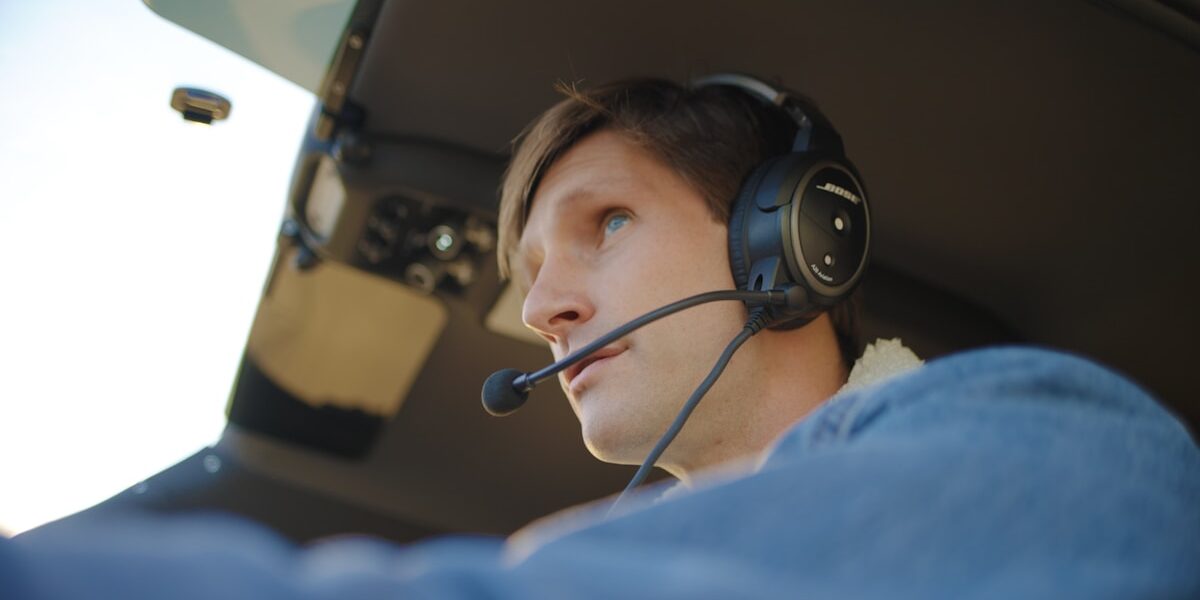
David Clark vs Bose A20 Aviation Headset: Which Should You Buy?
Choosing between the legendary David Clark H10-13.4 and premium Bose A20? This detailed comparison helps you decide based on your flying needs and budget.
Quick Comparison Table
| Feature | David Clark H10-13.4 | Bose A20 |
| Price | $350-$400 | $1,000-$1,150 |
| Noise Reduction | Passive (PNR) | Active (ANR) |
| Weight | 17.5 oz | 12 oz |
| Bluetooth | No | Yes |
| Durability | Legendary (10+ years) | Excellent (5-8 years) |
| Best For | Students, instructors | Professionals, long flights |
David Clark H10-13.4: The Industry Standard
Pros:
- Incredibly durable – lasts 10-15 years
- No batteries needed
- Lower price point
- Simple, reliable design
- Used by flight schools worldwide
Cons:
- Heavier than ANR headsets
- Less noise reduction
- No Bluetooth features
Bose A20: Premium Performance
Pros:
- Superior active noise cancellation
- Lightweight and comfortable
- Bluetooth connectivity
- Reduces pilot fatigue significantly
- Premium audio quality
Cons:
The Verdict: Which Should You Choose?
Choose David Clark H10-13.4 if:
- You’re a student pilot on a budget
- You value simplicity and reliability
- You fly shorter missions (under 2 hours)
- You want a headset that will last 10+ years
Choose Bose A20 if:
- You fly professionally or frequently
- Long flights and fatigue reduction matter
- You want the absolute best noise cancellation
- Budget is not a primary concern
The Middle Ground:
Consider the Lightspeed Zulu 3 – it offers ANR performance between these two at ~$850.
Contains affiliate links.


Stay in the loop
Get the latest wildlife research and conservation news delivered to your inbox.