The Journey to Commercial Pilot Certification
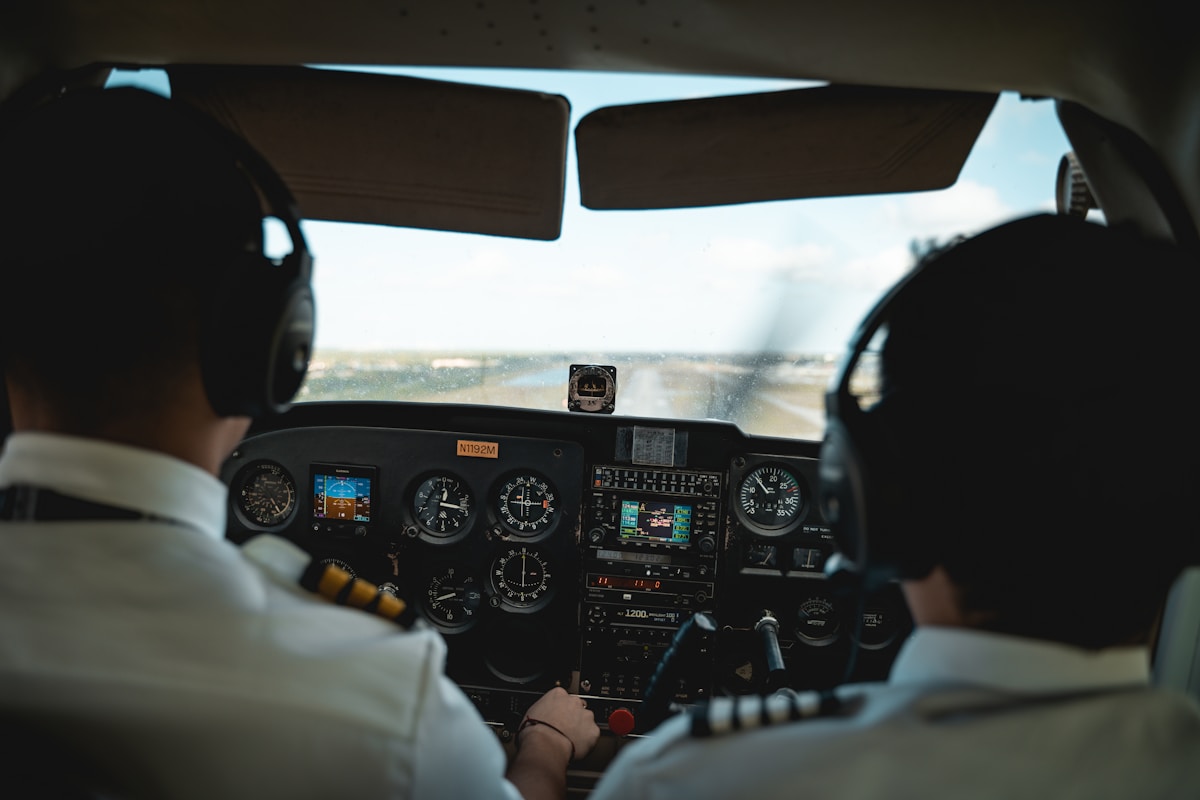
The commercial pilot certificate marks the transition from flying for personal enjoyment to flying for compensation or hire. This certificate requires significantly more training, experience, and demonstrated skill than the private pilot certificate, but opens doors to professional aviation careers and advanced flying opportunities.
Earning your commercial certificate demonstrates to employers and passengers that you have met rigorous standards for aeronautical knowledge, flight proficiency, and decision-making ability. It is often the first major step toward a career as a professional pilot.
Eligibility Requirements
Basic Prerequisites
To be eligible for a commercial pilot certificate under 14 CFR 61.123, you must:
- Be at least 18 years of age
- Read, speak, write, and understand English
- Hold at least a private pilot certificate
- Hold an instrument rating (for airplane category)
- Receive required ground and flight training
- Pass the FAA knowledge test and practical test
- Hold at least a second-class medical certificate
Aeronautical Experience Requirements
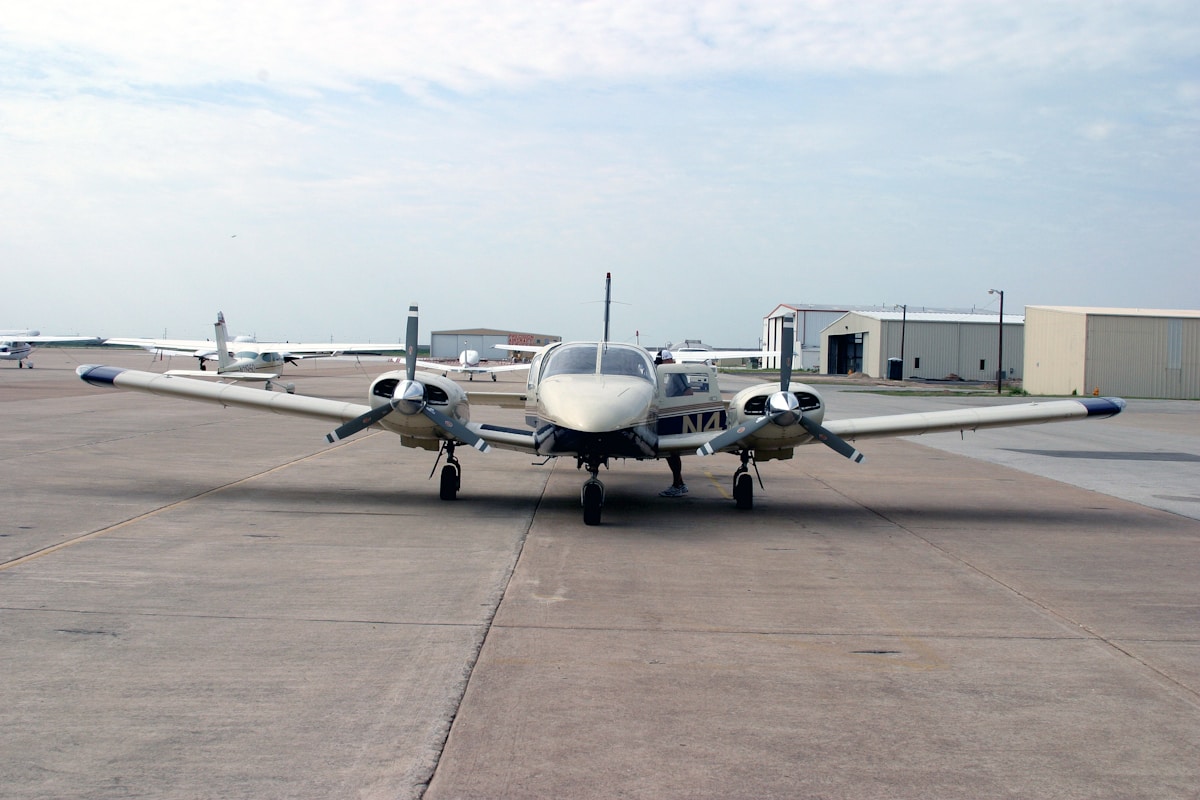
Part 61 commercial certificate requirements include at least 250 hours of flight time, including:
- 100 hours as pilot in command
- 50 hours of cross-country flight
- 10 hours of instrument training
- 10 hours in a complex or turbine aircraft (for single-engine)
- 20 hours of training in the areas of operation listed in 61.127
- 10 hours of solo flight in specified training areas
Part 141 programs may reduce the total time requirement to as few as 190 hours with an approved syllabus.
Commercial Pilot Knowledge
Knowledge Test Areas
The commercial pilot knowledge test covers advanced topics beyond private pilot level:
- Regulations: Commercial operations, operating limitations, and required certifications
- Safe and efficient operation: Aerodynamics, performance, weight and balance
- Meteorology: Advanced weather analysis and decision-making
- Navigation: National airspace system, navigation systems, radar services
- Human factors: Physiology, aeronautical decision making, crew resource management
- Emergency procedures: System failures, emergency situations, accident prevention
Passing Score and Test Format
The knowledge test consists of 100 multiple-choice questions with a passing score of 70%. Study materials include the FAA Commercial Pilot Knowledge Test Guide and appropriate test preparation courses.
Flight Training Standards
Maneuvers and Proficiency
Commercial pilot training develops precision flying skills through specialized maneuvers:
- Chandelles: Maximum performance climbing turns
- Lazy eights: Continuous climbing and descending turns demonstrating coordination
- Eights on pylons: Ground reference maneuver at pivotal altitude
- Steep spirals: Descending 360-degree turns around a point
- Power-off 180 accuracy approaches: Landing within 200 feet of a designated point
- Emergency procedures: Engine failures, system malfunctions, fire procedures
Commercial Standards vs. Private Standards
Commercial maneuvers must be performed to tighter tolerances than private:
- Altitude: Plus or minus 100 feet (vs. 200 for private)
- Airspeed: Plus or minus 10 knots (vs. 15 for private)
- Heading: Plus or minus 10 degrees (vs. 15 for private)
- Bank angle: Plus or minus 5 degrees of desired bank
The Practical Test
Checkride Overview
The commercial pilot checkride evaluates knowledge and skill in all required areas:
- Oral examination: Comprehensive review of aeronautical knowledge, regulations, and systems
- Preflight preparation: Planning, performance calculations, weather analysis
- Preflight procedures: Aircraft inspection, engine starting, taxiing
- Airport and traffic pattern operations: Normal and crosswind takeoffs and landings
- Performance maneuvers: Chandelles, lazy eights, steep turns
- Ground reference maneuvers: Eights on pylons
- Navigation: Pilotage, dead reckoning, diversion
- Slow flight and stalls: Power-on, power-off, accelerated stalls
- Emergency operations: Engine failure, system failures
Career Opportunities
What You Can Do With a Commercial Certificate
The commercial certificate authorizes you to be paid for certain flying activities:
- Carrying passengers or cargo for hire (with appropriate operating certificate)
- Aerial photography and surveying
- Banner towing and aerial advertising
- Pipeline and powerline patrol
- Crop dusting (with agricultural aircraft operator certificate)
- Sightseeing flights within certain limitations
- Flight instruction (with CFI certificate)
Building Toward Advanced Certificates
The commercial certificate is often a stepping stone to:
- CFI: Flight instruction to build hours and experience
- ATP: Airline transport pilot certificate for airline flying
- Type ratings: Authorization for specific aircraft types
Training Timeline and Costs
Typical Training Duration
Completing commercial pilot requirements typically takes 3-6 months of dedicated training after earning the private pilot certificate and instrument rating. The total investment in reaching commercial certification from zero experience typically ranges from ,000 to ,000 depending on location, aircraft rental rates, and training efficiency.
The commercial certificate represents a substantial commitment of time and resources, but provides the foundation for a rewarding career in professional aviation. Proper preparation, consistent training, and dedication to meeting commercial standards will lead to success on your checkride and in your aviation career.


Stay in the loop
Get the latest wildlife research and conservation news delivered to your inbox.