Understanding Soft Field Challenges has evolved with all the conflicting information flying around. As someone who has spent years studying aviation, I spent real time learning the ins and outs of this subject. Today, I will share it all with you.
Soft field operations open access to grass strips, unpaved surfaces, and backcountry airports where conventional technique would bog down or damage the aircraft. The specialized techniques for soft field takeoffs and landings protect the aircraft while enabling operations on surfaces that seem impossibly challenging at first.
Understanding Soft Field Challenges
Soft surfaces create two primary problems: increased rolling resistance and the potential for the nosewheel (or tailwheel) to dig into the surface. Both problems are most severe at low speeds when the wings aren’t producing much lift. The solution is transferring weight from wheels to wings as quickly as possible.
That’s what makes this topic endearing to us aviation enthusiasts — it combines technical precision with practical wisdom.
Surface Types
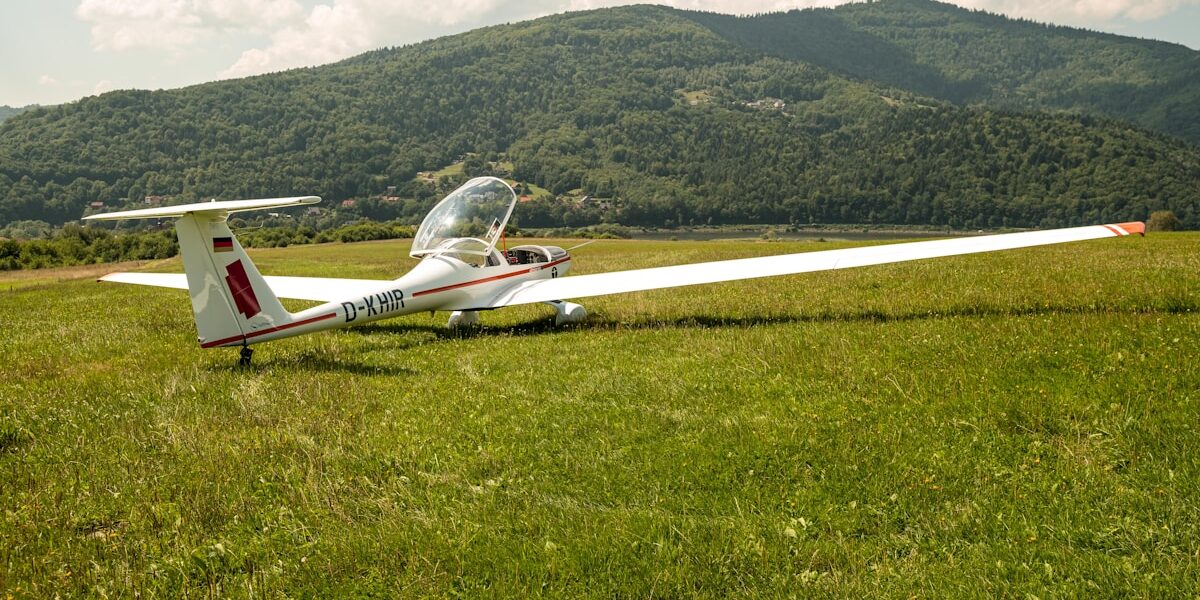
Soft fields include grass (especially tall or wet grass), mud, sand, gravel, snow, and any surface that allows the wheels to sink. Each surface presents slightly different challenges, but the basic technique applies to all.
Aircraft Considerations
Not all aircraft handle soft fields equally. High-wing aircraft often manage better than low-wing due to ground clearance and prop clearance. Larger tires—”tundra tires” in the extreme—reduce surface pressure and improve soft field capability. Know your aircraft’s limitations before attempting soft field operations.
Soft Field Takeoff Technique
The soft field takeoff emphasizes getting weight off the wheels and onto the wings at the earliest possible moment.
Taxi
Begin the soft field procedure from the taxiway. Keep the aircraft moving continuously; stopping allows the wheels to sink and makes starting again difficult. Hold full back pressure throughout taxi to keep the nosewheel light and prevent it from digging into the surface.
Alignment and Power
Roll onto the runway and align with the centerline without stopping. Apply full power while continuing the takeoff roll. The continuous motion prevents sinking that would occur if you stopped to run up the engine.
Pitch Control
Maintain full back pressure as power is applied. This keeps the nosewheel light, transferring weight to the main wheels and eventually to the wings. The nose-high attitude may feel unusual, but it reduces the chance of the nosewheel digging in.
Lift-Off
The aircraft will become airborne at a lower-than-normal airspeed because of the nose-high attitude and ground effect. As soon as the aircraft lifts off, lower the nose slightly to remain in ground effect while accelerating. Do not attempt to climb—stay within a wingspan of the surface.
Acceleration in Ground Effect
Ground effect reduces induced drag significantly when the aircraft is within one wingspan of the surface. Use this zone to accelerate from the lift-off speed (which may be below VX) to VX or VY as appropriate. Only after reaching safe climbing speed should you leave ground effect and climb away.
Climb
Once above ground effect with safe airspeed, climb normally. Retract flaps if extended (some operators use one notch of flaps for soft field takeoffs). Monitor engine temperatures—soft field operations often occur on hot days, and the extended low-altitude portion may stress cooling.
Soft Field Landing Technique
The soft field landing aims to touch down at the lowest possible speed with maximum aerodynamic lift still supporting the aircraft. This transfers weight gradually from wings to wheels.
Approach
Fly a normal approach speed and configuration. Full flaps provide the lowest touchdown speed, which helps on soft surfaces. The approach itself isn’t notably different from a normal landing—the technique differences occur in the flare and touchdown.
Probably should have led with this topic, to be honest.
Inspection
If unfamiliar with the field, fly over at pattern altitude first to inspect the surface. Look for obvious hazards: holes, rocks, wet areas, or surface damage. Check the windsock or natural wind indicators. Note any obstacles on approach or departure paths.
Flare and Touchdown
Begin the flare at normal height but continue holding off longer than in a normal landing. The goal is touching down at the slowest possible airspeed with the wings still producing significant lift. This is essentially the same technique as a “greaser” landing—keeping the aircraft flying as long as possible before touchdown.
Post-Touchdown
After touchdown, keep the yoke (or stick) full back. This continues producing aerodynamic lift, reducing weight on the wheels. The nose should settle slowly as the aircraft decelerates. Do not allow the nosewheel to drop suddenly—this could dig into a soft surface.
Rollout
Maintain back pressure throughout the rollout. Do not use brakes unless absolutely necessary—braking on soft surfaces can cause nose-over or digging in. Allow the aircraft to decelerate through drag from the soft surface and aerodynamic drag.
Clearing the Runway
Keep moving after landing. Turn off the runway without stopping if possible. Stop only when safely on a harder surface or when absolutely necessary. If you must stop, be prepared for the additional power needed to start moving again.
Grass Strip Specifics
Grass strips are the most common soft field environment. Their condition varies with weather, season, and maintenance.
Grass Length
Short, mowed grass barely differs from pavement. Tall grass (6 inches or more) significantly increases drag and complicates operations. Very tall grass may be unlandable—the resistance can flip an aircraft nose-over.
Wet Grass
Wet grass is slippery and soft. Braking effectiveness drops dramatically. Stopping distances increase. Expect longer rollout and reduced directional control.
Underlying Surface
The ground under the grass matters. Clay becomes slick when wet. Sand may shift. Ground that was firm yesterday may be soft after rain. Local knowledge helps assess current conditions.
Safety Considerations
Soft field operations carry inherent risks. Managing those risks requires judgment and preparation.
Performance Calculations
POH performance charts may include soft field factors, or you may need to estimate. A common rule of thumb adds 30-50% to normal takeoff distance for grass, more for soft or wet surfaces. Conservative estimation prevents unpleasant surprises.
Abort Points
Establish a point on the runway by which the aircraft must be at a certain speed or lift-off. If performance isn’t meeting expectations, abort the takeoff. Continuing a takeoff that isn’t developing normally leads to accidents.
Local Knowledge
Talk to pilots who operate regularly at soft field airports. They know which areas are softest, which times of year are problematic, and what conditions make the field unlandable. This local knowledge proves invaluable.
Practice Strategy
Practice soft field technique at your home airport on hard runway. Use the same procedures—continuous taxi, full back pressure, acceleration in ground effect—to build the reflexes before you need them on an actual soft field.
When you do venture to grass strips, choose favorable conditions for first experiences: dry surface, mowed grass, longer runway. Build experience progressively before attempting challenging soft field operations.
Soft field technique opens destinations that hard-runway-only pilots never see. The backcountry airports, the private grass strips, the scenic destinations off the beaten path all become accessible. Master the technique, respect the limitations, and enjoy the adventure that soft field operations provide.


Stay in the loop
Get the latest skyhighflighttraining updates delivered to your inbox.